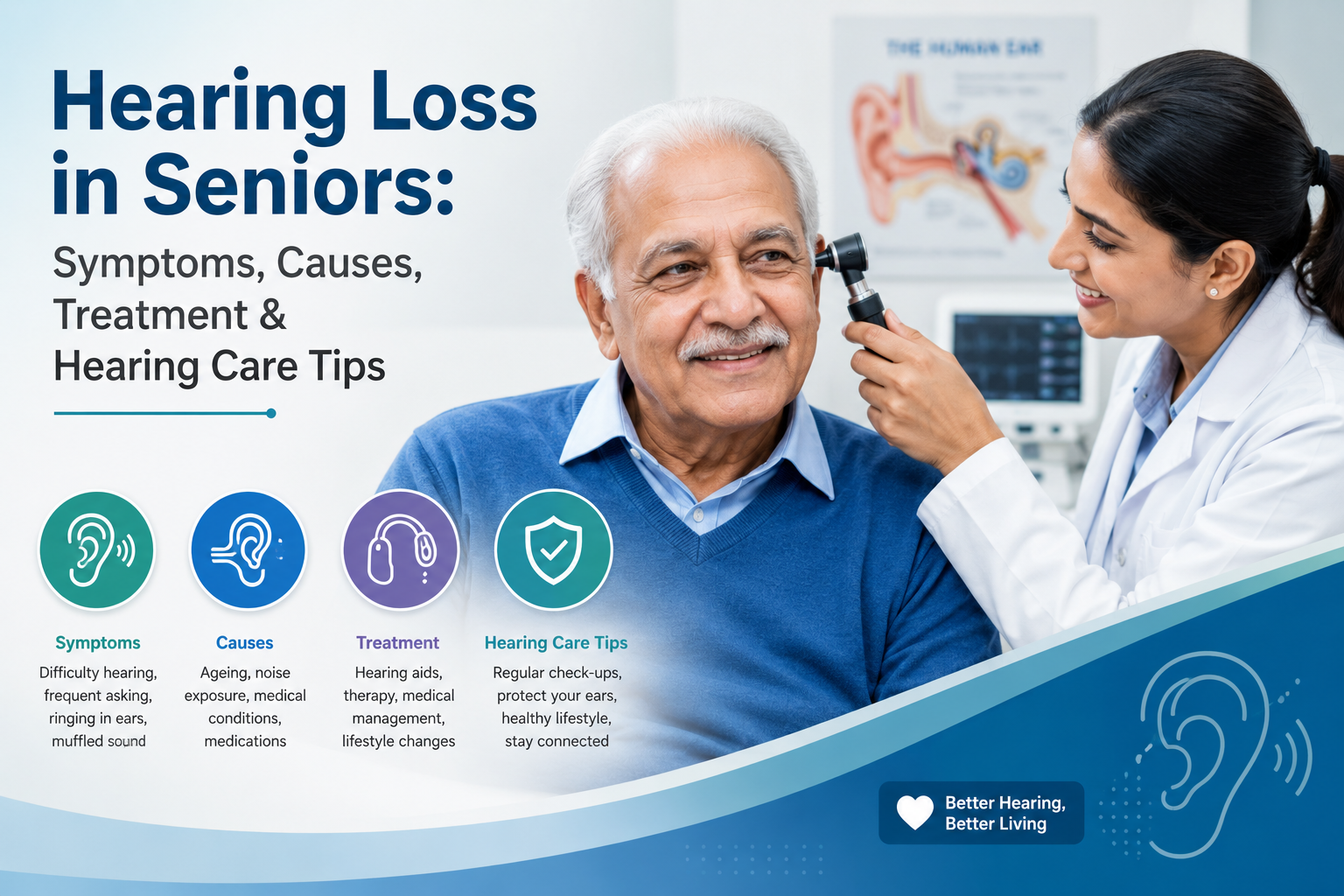
As we age, changes in our hearing are common, but they should never be ignored. Many older adults experience gradual hearing loss that makes conversations difficult, reduces social interactions, and affects their overall quality of life. Because age-related hearing loss develops slowly, many seniors may not realize how much their hearing has changed until family members or friends point it out.
The good news is that early diagnosis and appropriate treatment can significantly improve communication, independence, and emotional well-being. Whether it’s through regular hearing evaluations, hearing aids, or lifestyle adjustments, taking proactive steps can help seniors continue enjoying conversations and everyday activities.
In this guide, we’ll explore the symptoms, causes, treatment options, and hearing care tips for hearing loss in seniors, along with practical advice on maintaining hearing health as you age.
What Is Age-Related Hearing Loss?
Age-related hearing loss, also known as presbycusis, is the gradual decline in hearing that occurs as people grow older. It typically affects both ears and develops over several years.
Presbycusis commonly impacts the ability to hear high-frequency sounds, making it difficult to understand speech, especially in noisy environments. While it is a natural part of aging for many individuals, early diagnosis and intervention can help minimize its impact on daily life.
How Common Is Hearing Loss in Seniors?
Hearing loss is one of the most common chronic health conditions among older adults. The risk increases significantly after the age of 60 and continues to rise with advancing age.
Untreated hearing loss can affect communication, relationships, emotional well-being, and even cognitive health. Fortunately, modern hearing care solutions allow seniors to remain active, independent, and socially engaged.
Common Symptoms of Hearing Loss in Seniors
Recognizing the early signs of hearing loss allows for timely treatment and better outcomes.
Common symptoms include:
- Frequently asking people to repeat themselves
- Difficulty understanding conversations in noisy places
- Increasing the television or phone volume
- Trouble hearing children’s or women’s voices
- Ringing in the ears (tinnitus)
- Feeling that people are mumbling
- Difficulty following group conversations
- Avoiding social gatherings due to hearing difficulties
- Listening fatigue after conversations
If you notice these symptoms, scheduling a hearing test in Bangalore can help identify the cause and determine the most appropriate treatment.
What Causes Hearing Loss in Seniors?
Several factors contribute to age-related hearing loss.
Natural Aging
Over time, the delicate hair cells inside the inner ear gradually deteriorate, reducing the ability to detect sounds clearly.
Long-Term Noise Exposure
Years of exposure to loud sounds from workplaces, traffic, machinery, or music can contribute to permanent hearing loss.
Following the 60/60 rule for hearing throughout life can help reduce the risk of noise-induced hearing damage.
Medical Conditions
Certain health conditions can affect hearing, including:
- Diabetes
- High blood pressure
- Cardiovascular disease
- Chronic ear infections
Medications
Some medications may damage the inner ear, especially when used for extended periods or in high doses.
Genetics
Family history also plays an important role in determining an individual’s risk of developing age-related hearing loss.
Why Early Hearing Diagnosis Matters
Many seniors delay seeking treatment because they assume hearing loss is simply a normal part of aging.
However, untreated hearing loss has been linked to:
- Communication difficulties
- Social isolation
- Depression
- Reduced confidence
- Increased risk of falls
- Cognitive decline
Early diagnosis allows hearing professionals to recommend appropriate treatment before hearing problems significantly affect daily life.
If you’ve noticed changes in hearing, learning the signs you need a hearing test can help you decide when to seek professional care.
How Is Hearing Loss Diagnosed?
A comprehensive hearing evaluation helps determine the type and severity of hearing loss.
Your audiologist may perform:
- Ear examination
- Pure tone audiometry
- Speech audiometry
- Tympanometry
- Speech recognition testing
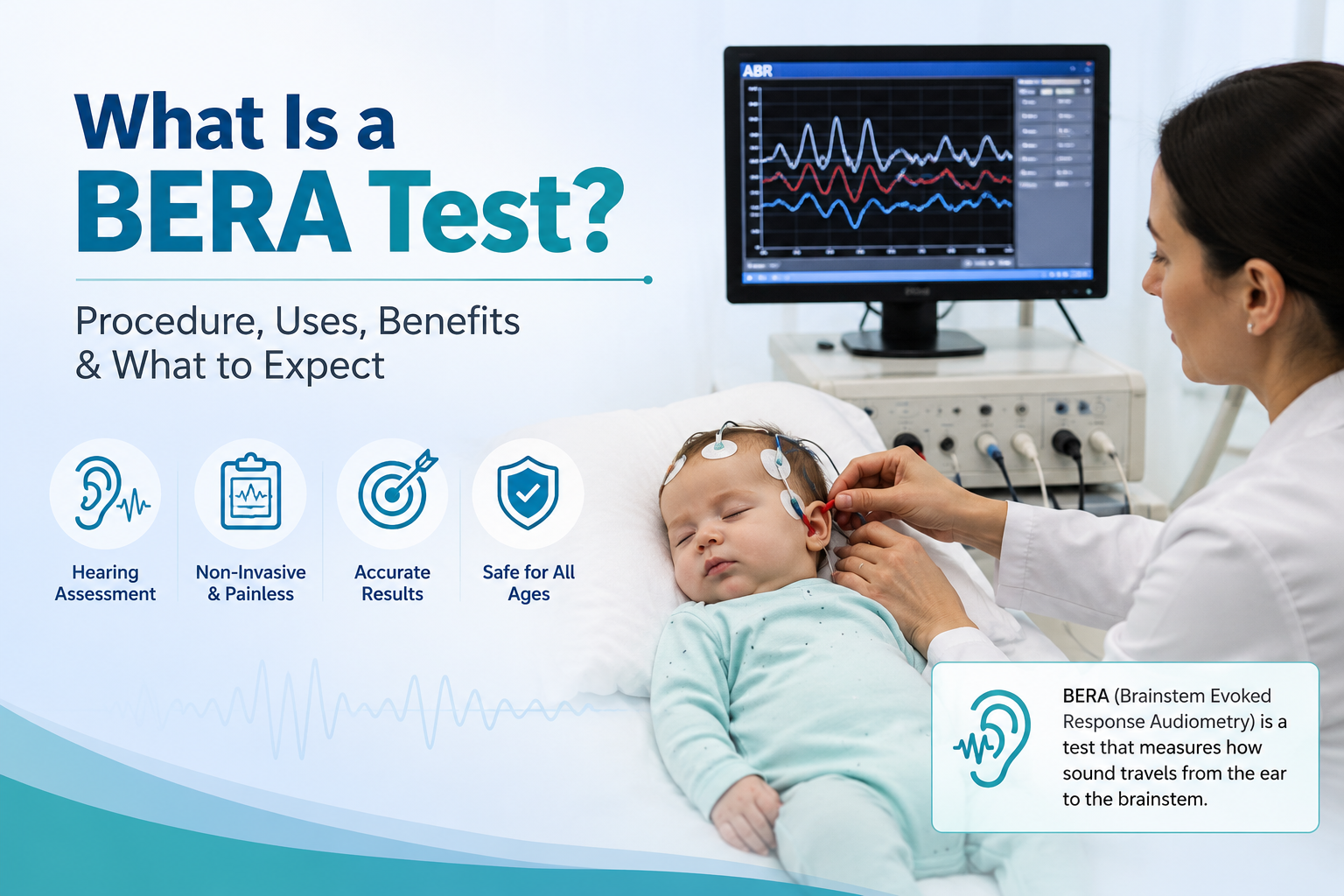
To understand the evaluation process better, read our guide on audiometry tests and early hearing assessment.You can also learn about the different types of hearing tests used to diagnose hearing conditions accurately.
Treatment Options for Hearing Loss in Seniors
Treatment depends on the cause and severity of hearing loss.
Hearing Aids
For most age-related hearing loss, hearing aids are the most effective treatment option.
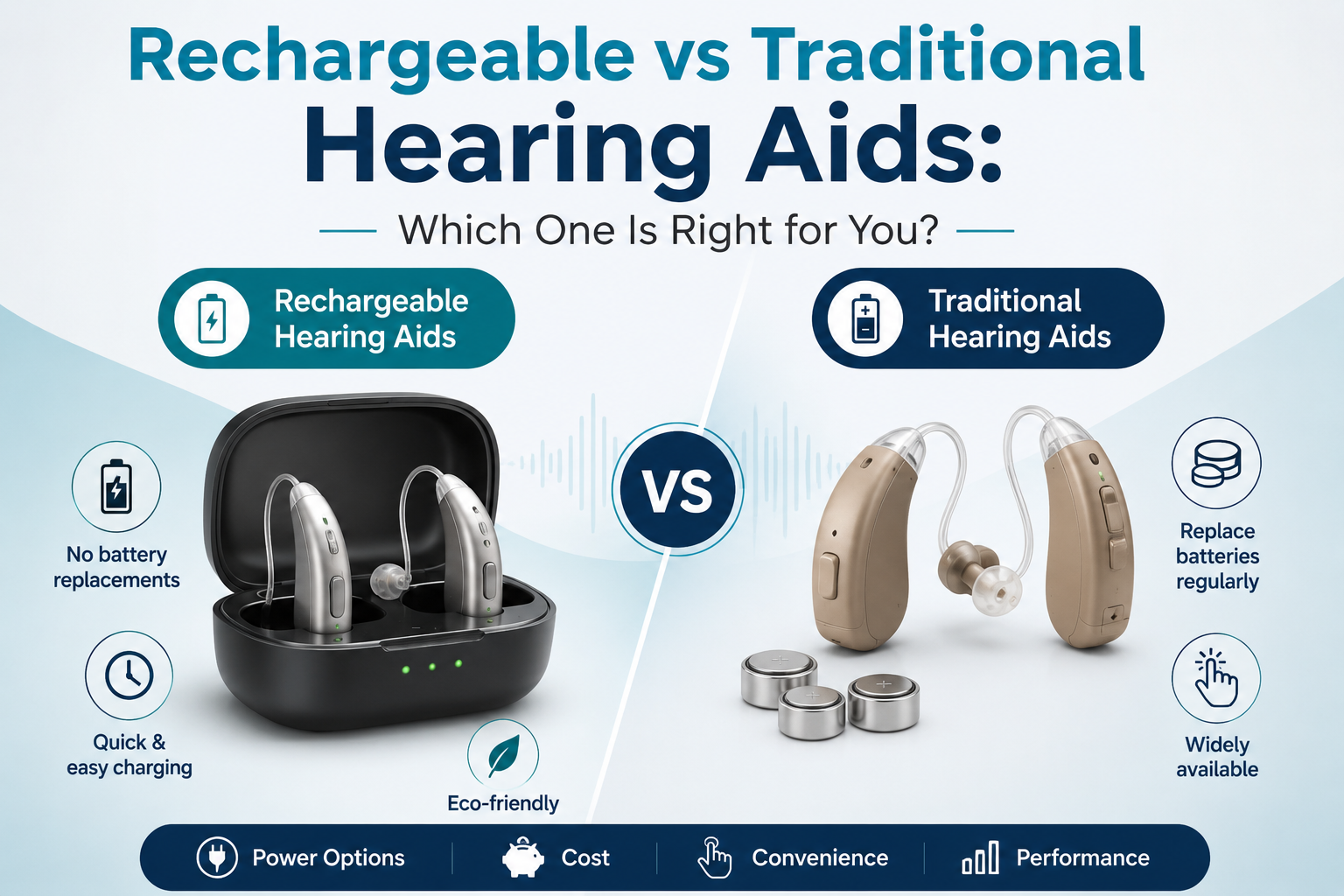
Modern digital hearing aids offer advanced features such as:
- Noise reduction
- Bluetooth connectivity
- Rechargeable batteries
- Automatic sound adjustment
- Directional microphones
These technologies significantly improve speech understanding and listening comfort.
Choosing the Right Hearing Aid
There are several different styles of hearing aids available to suit varying degrees of hearing loss and personal preferences.
Your audiologist will recommend the most appropriate option based on:
- Hearing loss severity
- Lifestyle
- Dexterity
- Cosmetic preferences
- Budget
If you’re comparing options, explore the latest hearing aids in Bangalore to understand the technologies available.
Hearing Rehabilitation
In addition to hearing aids, seniors may benefit from:
- Communication training
- Listening strategies
- Family education
- Hearing aid adjustments
- Regular follow-up appointments
These services help maximize the benefits of hearing devices.
Tips for Seniors to Protect Their Hearing
Although aging cannot be prevented, healthy habits can help preserve hearing.
Protect your ears from loud noise
Use hearing protection whenever exposed to noisy environments.
Schedule regular hearing check-ups
Routine evaluations help detect changes early.
Manage chronic health conditions
Control blood pressure, diabetes, and cardiovascular disease.
Avoid inserting objects into the ear
Cleaning the ears improperly may damage the ear canal or eardrum.
Stay physically active
Regular exercise supports healthy blood circulation to the inner ear.
Follow medication instructions
Discuss potential hearing-related side effects with your healthcare provider.
How Family Members Can Help
Family support plays an important role in helping seniors adapt to hearing loss.
Helpful strategies include:
- Speak clearly without shouting
- Face the person while speaking
- Reduce background noise
- Be patient during conversations
- Encourage regular hearing evaluations
- Support consistent hearing aid use
Positive communication can greatly improve confidence and reduce frustration.
Frequently Asked Questions
What Is Presbycusis?
Presbycusis is the medical term for age-related hearing loss that gradually develops as people grow older.
At What Age Does Hearing Loss Usually Begin?
Many people begin noticing hearing changes after the age of 60, although it can develop earlier depending on genetics, noise exposure, and overall health.
Can Age-Related Hearing Loss Be Reversed?
Permanent age-related hearing loss cannot usually be reversed, but hearing aids and rehabilitation can significantly improve communication and quality of life.
Are Hearing Aids Effective for Seniors?
Yes. Modern hearing aids improve speech clarity, reduce listening effort, and help seniors remain socially active and independent.
How Often Should Seniors Have Their Hearing Checked?
Most experts recommend hearing evaluations every one to two years after the age of 60, or sooner if hearing changes are noticed.
Why Choose Shabdha Speech & Hearing?
At Shabdha Speech & Hearing clinic in Bangalore, we provide comprehensive hearing assessments, advanced audiology services, and personalized hearing aid solutions for seniors. Our experienced audiologists use state-of-the-art diagnostic equipment to evaluate hearing and recommend treatment plans tailored to each individual’s needs.
Whether you require a routine hearing test, hearing aid fitting, or ongoing hearing rehabilitation, our team is committed to helping you maintain better hearing and a higher quality of life.
Conclusion
Hearing loss in seniors is common, but it doesn’t have to limit communication or independence. Recognizing the early symptoms, scheduling regular hearing evaluations, and seeking timely treatment can make a significant difference in everyday life.
With modern diagnostic tools, advanced hearing aids, and expert audiology care, seniors can continue enjoying conversations, staying socially connected, and maintaining an active lifestyle. If you or a loved one has noticed changes in hearing, don’t wait—early intervention is the key to better hearing and long-term well-being.