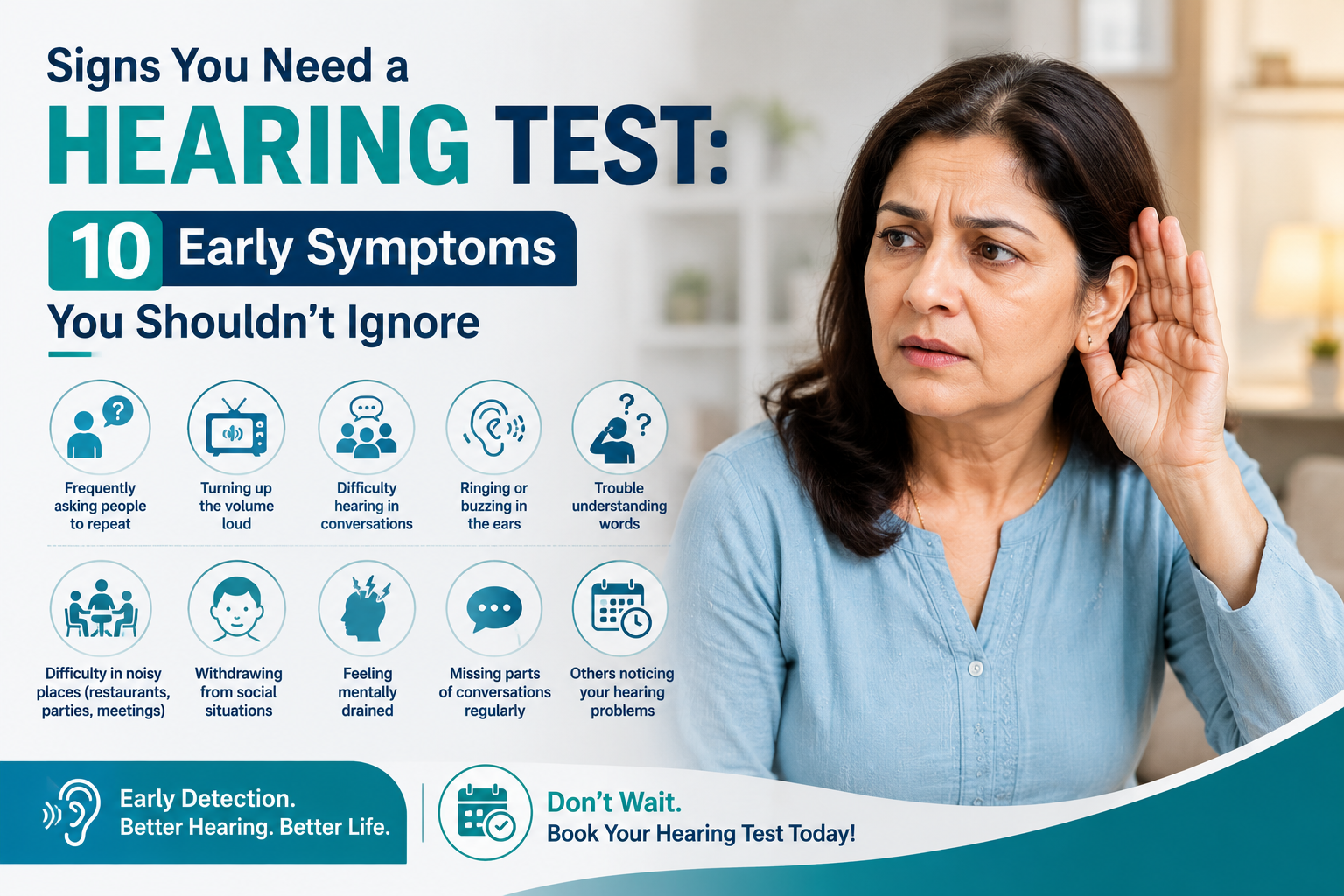
Hearing plays a vital role in how we communicate, work, learn, and connect with the people around us. However, hearing loss often develops gradually, making it difficult to notice the changes until they begin affecting your daily life. Many people ignore the early warning signs, assuming they’re simply due to aging, background noise, or temporary ear problems.
Recognizing the signs you need a hearing test early can help detect hearing loss before it worsens. A timely hearing evaluation allows audiologists to identify the cause of your symptoms and recommend the most appropriate treatment, whether it’s medical care, hearing protection, or hearing aids.
In this guide, we’ll discuss the most common hearing loss symptoms, when you should schedule a hearing test, and why early diagnosis is essential for maintaining your hearing health.
Why Early Hearing Testing Is Important
Many hearing conditions can progress slowly over months or years. Without treatment, hearing loss can affect communication, relationships, workplace performance, and overall quality of life.
Early hearing testing can help:
- Detect hearing loss before it becomes severe
- Identify underlying ear conditions
- Improve communication and speech understanding
- Prevent further hearing damage
- Support better treatment outcomes
- Improve confidence in social situations
If you’re experiencing any hearing-related concerns, scheduling a professional hearing test in Bangalore is the first step toward protecting your hearing.
10 Signs You Need a Hearing Test
1. You Frequently Ask People to Repeat Themselves
One of the earliest signs of hearing loss is constantly asking others to repeat what they’ve said.
You may notice yourself saying:
- “Can you say that again?”
- “I didn’t catch that.”
- “Could you repeat yourself?”
If this happens regularly, it’s time to have your hearing evaluated.
2. Conversations Sound Muffled
Speech may begin to sound unclear or muffled, even when people are speaking at a normal volume.
Many individuals describe it as:
- Hearing people talk but not understanding the words
- Missing parts of conversations
- Difficulty distinguishing similar-sounding words
These symptoms often indicate the need for a comprehensive hearing assessment.
3. You Turn Up the TV or Phone Volume Frequently
If family members often tell you the television or phone volume is too loud, it may be an early symptom of hearing loss.
Increasing the volume repeatedly should not be ignored, especially if it becomes a regular habit.
4. You Have Difficulty Hearing in Noisy Places
Restaurants, shopping malls, offices, and family gatherings can become increasingly difficult when background noise makes conversations harder to understand.
Difficulty separating speech from surrounding noise is one of the most common reasons adults seek hearing evaluations.
Modern digital hearing aids include advanced noise reduction features that help improve speech clarity in challenging listening environments.
5. You Experience Ringing in the Ears (Tinnitus)
Persistent ringing, buzzing, humming, or whistling sounds in the ears may indicate underlying hearing damage.
Although tinnitus has many possible causes, it frequently occurs alongside hearing loss.
A hearing evaluation helps determine whether additional testing is needed.
6. You Miss Parts of Conversations
You may hear someone speaking but miss certain words or sentences, especially during group discussions.
This often leads to:
- Guessing what was said
- Responding incorrectly
- Feeling left out of conversations
Early hearing assessment can identify the cause before communication becomes more challenging.
7. Family and Friends Notice Your Hearing Changes
Often, loved ones recognize hearing difficulties before the individual does.
Common comments include:
- “You’re speaking louder than usual.”
- “The TV is too loud.”
- “You didn’t hear me.”
If multiple people mention changes in your hearing, consider scheduling a hearing evaluation.
8. You Avoid Social Gatherings
Untreated hearing loss can make conversations frustrating.
Some people begin avoiding:
- Family functions
- Business meetings
- Restaurants
- Social events
Early intervention can restore confidence and improve participation in daily life.
9. You Feel Tired After Conversations
Listening with hearing loss requires greater concentration.
Many people experience:
- Mental fatigue
- Difficulty focusing
- Headaches after conversations
This “listening fatigue” is another important sign that your hearing should be assessed.
10. You Haven’t Had a Hearing Test in Several Years
Even if you don’t notice obvious symptoms, regular hearing evaluations are recommended for adults, particularly after age 50 or if you’re frequently exposed to loud noise.
Learning about the different types of hearing tests can help you understand what to expect during your appointment and how audiologists assess hearing ability.
Who Should Get a Hearing Test?
A hearing test is recommended for people who:
- Notice changes in hearing
- Experience tinnitus
- Work in noisy environments
- Are over 50 years of age
- Have a family history of hearing loss
- Frequently use headphones at high volumes
- Have diabetes or certain chronic health conditions
- Experience dizziness or balance issues
Routine hearing assessments help identify problems early and prevent further hearing deterioration.
What Happens During a Hearing Test?
Many people delay testing because they don’t know what the process involves.
A comprehensive hearing evaluation may include:
- Medical history review
- Ear examination
- Pure tone audiometry
- Speech recognition testing
- Tympanometry (if required)
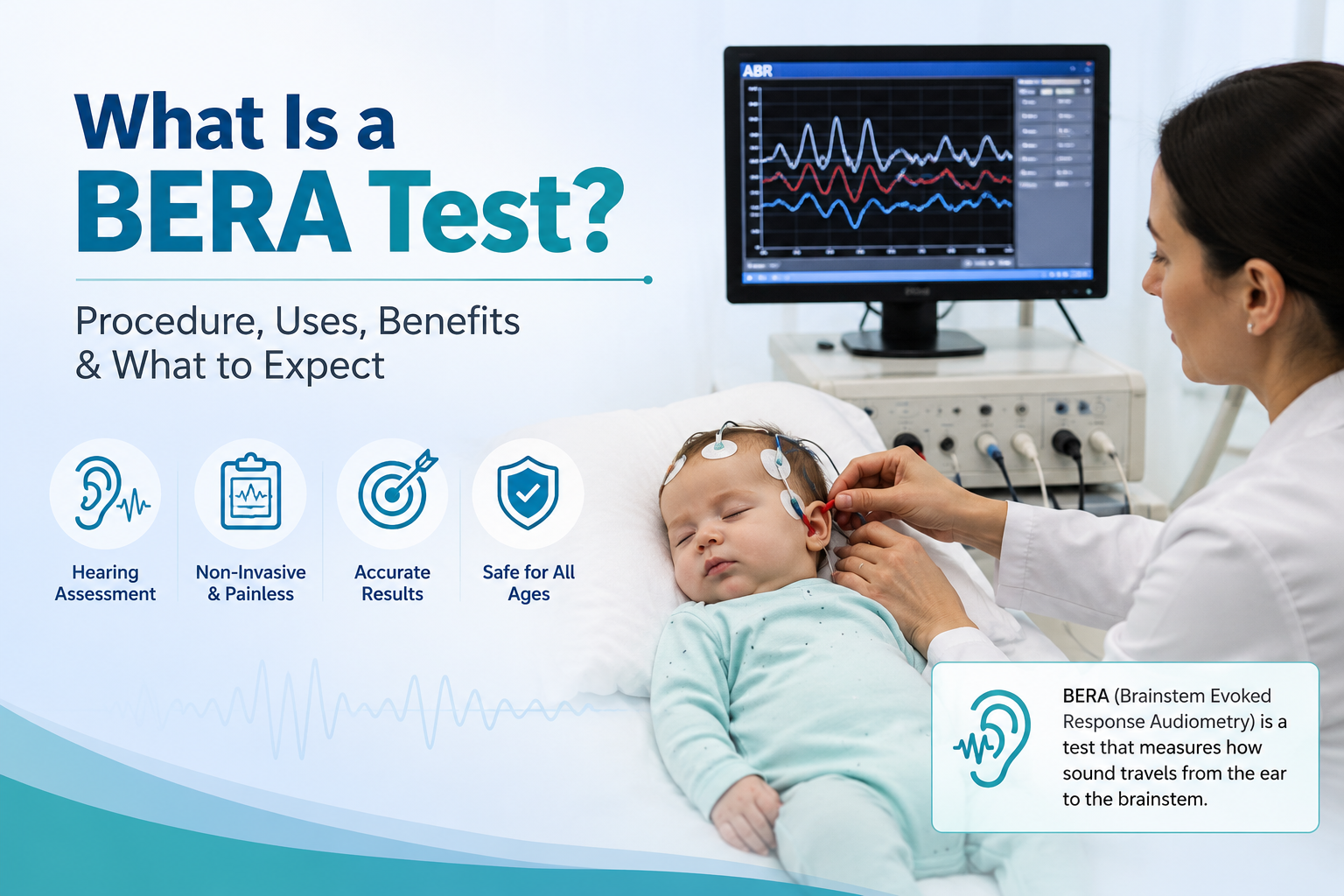
If you’re looking for more information, our guide on audiometry tests explains the process in greater detail.
The entire evaluation is painless and usually completed within 30 to 60 minutes.
What Happens If Hearing Loss Is Detected?
Treatment depends on the underlying cause and severity of hearing loss.
Your audiologist may recommend:
- Hearing protection
- Earwax removal
- Medical treatment
- Regular monitoring
- Hearing rehabilitation
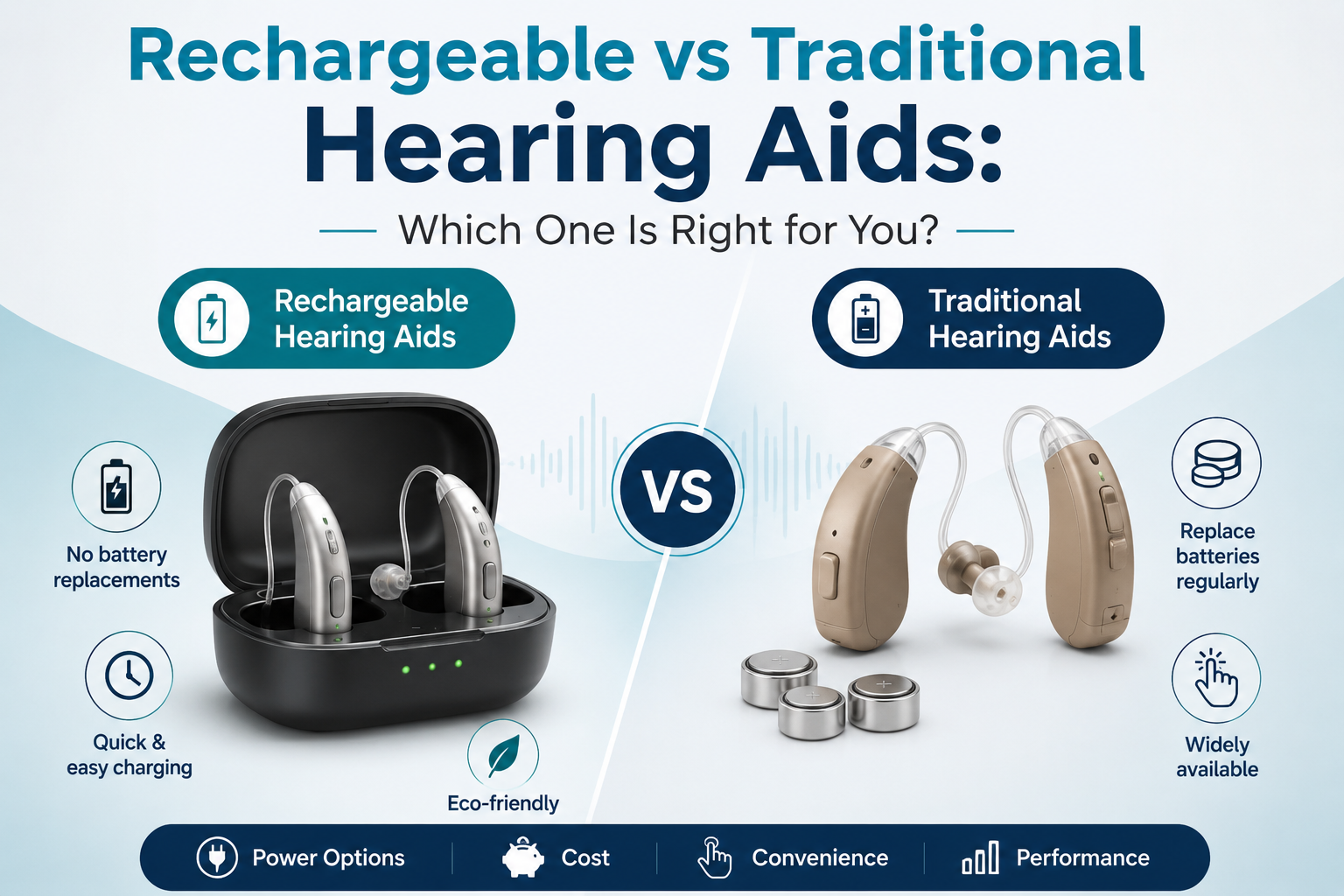
- Hearing aids
Today’s hearing technology offers discreet, comfortable, and highly effective solutions.
How Often Should You Have Your Hearing Checked?
General recommendations include:
- Adults under 50: Every 3–5 years
- Adults over 50: Every 1–2 years
- Individuals exposed to loud noise: Annually
- Hearing aid users: As recommended by their audiologist
Regular hearing assessments help monitor changes over time and ensure timely intervention.
Tips to Protect Your Hearing
Maintaining healthy hearing involves more than regular testing.
Simple habits include:
- Keep headphone volume below 60%
- Follow the 60/60 safe listening rule
- Wear hearing protection in noisy environments
- Limit prolonged exposure to loud sounds
- Take listening breaks
- Schedule routine hearing evaluations
- Treat ear infections promptly
These preventive measures help preserve hearing and reduce the risk of permanent hearing damage.
Why Choose Shabdha Speech & Hearing?
At Shabdha Speech & Hearing clinic in Bangalore, our experienced audiologists provide comprehensive hearing evaluations using advanced diagnostic equipment. From hearing assessments and audiometry testing to personalized hearing aid solutions, we are committed to helping individuals of all ages achieve better hearing and improved quality of life.
Whether you’re experiencing early hearing loss symptoms or simply want a routine hearing check-up, our team is here to guide you with expert care and evidence-based recommendations.
Conclusion
Hearing loss often develops gradually, making it easy to overlook the early warning signs. If you frequently ask others to repeat themselves, struggle to hear in noisy environments, experience tinnitus, or notice changes in your hearing, don’t delay getting evaluated.
A professional hearing test can identify problems early, allowing timely treatment and better long-term hearing outcomes. Taking action today can help protect your hearing, improve communication, and enhance your overall quality of life.
Frequently Asked Questions
What Are the Signs You Need a Hearing Test?
Common signs include difficulty hearing conversations, frequently asking people to repeat themselves, tinnitus, increasing the TV volume, and trouble hearing in noisy environments.
Is a Hearing Test Painful?
No. Hearing tests are completely painless and non-invasive.
How Long Does a Hearing Test Take?
Most comprehensive hearing evaluations take between 30 and 60 minutes.
Can Hearing Loss Be Reversed?
Some hearing problems caused by infections or earwax can be treated medically, while permanent hearing loss is often managed effectively with hearing aids and rehabilitation.
When Should Adults Have Their Hearing Checked?
Adults should have routine hearing assessments every few years, with more frequent evaluations after age 50 or if symptoms develop.