In today’s digital world, headphones, earbuds, and personal audio devices have become an essential part of daily life. Whether you’re listening to music, attending virtual meetings, watching videos, or gaming, prolonged exposure to loud sounds can gradually damage your hearing without you even realizing it.
According to hearing health experts, one of the simplest ways to protect your ears is by following the 60/60 rule for hearing. This easy-to-remember guideline helps reduce the risk of noise-induced hearing loss and encourages healthy listening habits for both adults and children.
If you’re concerned about your hearing health, scheduling a hearing test in Bangalore can help identify early signs of hearing damage and ensure timely intervention.
In this guide, we’ll explain what the 60/60 rule is, why it matters, the dangers of unsafe listening, and practical tips to protect your hearing for life.
What Is the 60/60 Rule for Hearing?
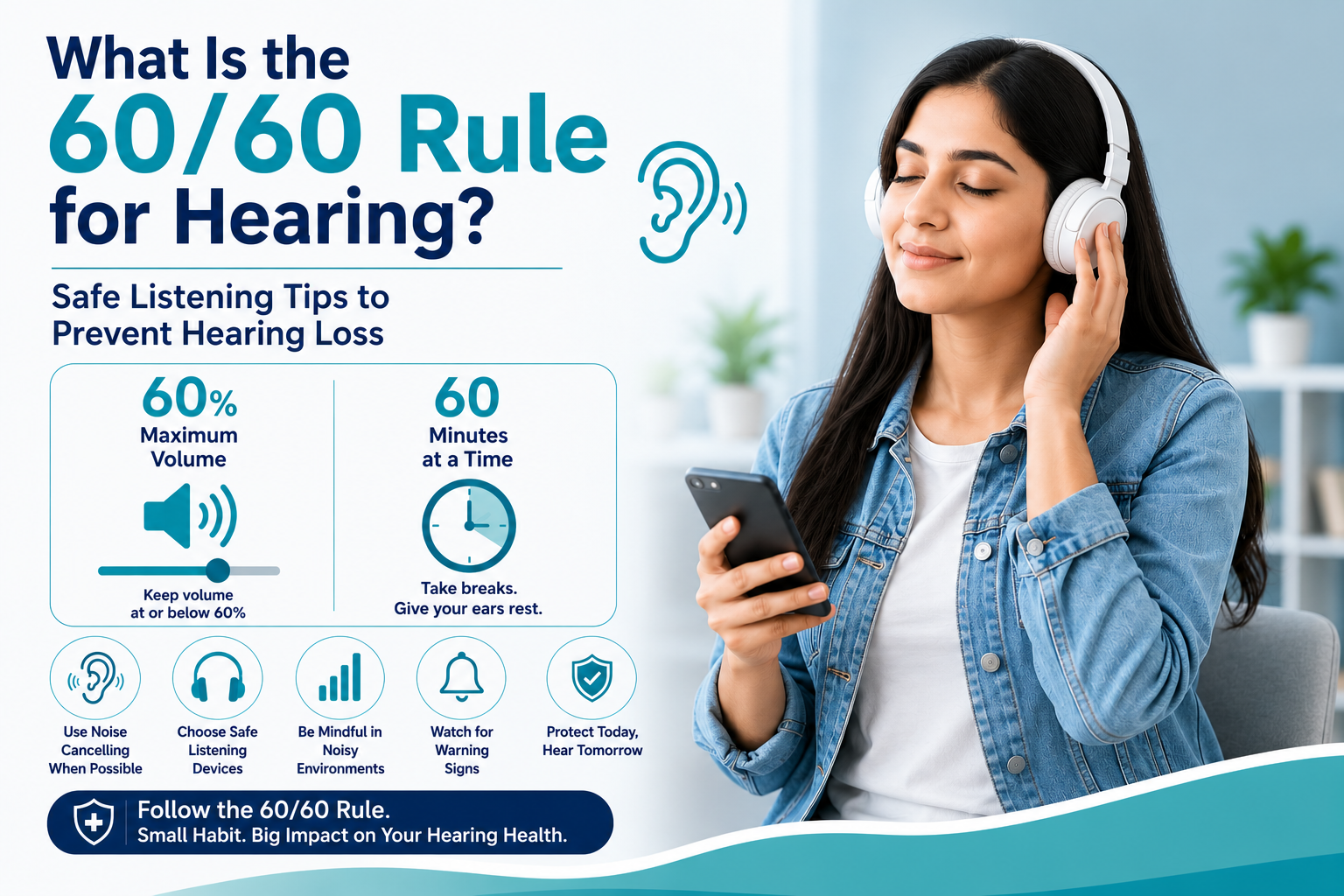
The 60/60 rule for hearing is a simple hearing safety guideline that recommends:
- Listening to audio at no more than 60% of the device’s maximum volume
- For no longer than 60 minutes at a time
After 60 minutes of listening, it’s recommended to take a break and allow your ears time to recover.
This rule helps reduce prolonged exposure to high sound levels, which can damage the sensitive hair cells inside the inner ear responsible for hearing.
Because hearing damage often develops gradually, many people don’t notice the effects until significant hearing loss has already occurred.
Why Is the 60/60 Rule Important?
Many smartphones and personal listening devices can produce sound levels exceeding 100 decibels (dB), which is loud enough to damage hearing over time.
When exposed to loud sounds for extended periods, the tiny sensory hair cells inside the cochlea become damaged. Unlike other cells in the body, these hair cells do not regenerate once destroyed.
Following the safe listening rule can significantly reduce the risk of:
- Noise-induced hearing loss
- Tinnitus (ringing in the ears)
- Sound sensitivity
- Difficulty understanding speech
- Permanent hearing impairment
Practicing safe listening habits today can help preserve your hearing for years to come.
What Is Noise-Induced Hearing Loss?
Noise-induced hearing loss (NIHL) occurs when the inner ear is damaged by exposure to loud sounds.
This damage may occur from:
- Listening to music at high volumes
- Using headphones for long periods
- Attending concerts
- Working in noisy environments
- Exposure to industrial machinery
- Frequent use of earbuds at maximum volume
Unlike temporary hearing fatigue, noise-induced hearing loss can become permanent if preventive measures are not taken.
How Loud Is Too Loud?
Many people ask:
How Loud Should Headphones Be?
A safe listening level is generally around 60% of your device’s maximum volume.
As a simple test:
- If someone standing next to you can hear your music, the volume is probably too high.
- If your ears ring after listening to music, the volume was likely excessive.
- If conversations sound muffled after removing headphones, your ears may have been exposed to unsafe sound levels.
Remember that even moderate volumes can become harmful when exposure lasts for several hours.
Signs You May Be Damaging Your Hearing
Hearing damage often develops gradually, making it difficult to recognize early warning signs.
Common symptoms include:
- Ringing in the ears (tinnitus)
- Difficulty understanding conversations
- Frequently asking people to repeat themselves
- Needing higher TV or phone volume
- Muffled hearing after listening to music
- Difficulty hearing in noisy environments
If you notice these symptoms, a professional hearing test in Bangalore can help assess your hearing and identify potential problems early.
Who Should Follow the 60/60 Rule?
The 60/60 rule is beneficial for everyone, but it is especially important for:
Children and Teenagers
Young people are among the highest users of headphones and earbuds.
Because hearing damage accumulates over time, protecting hearing from an early age can help prevent future hearing problems.
Office Professionals
Remote work and virtual meetings often require prolonged headphone use throughout the day.
Taking regular listening breaks can reduce hearing fatigue and minimize long-term risks.
Gamers
Gaming headsets often expose users to loud sounds for extended periods.
Following safe listening practices helps protect hearing while maintaining an enjoyable gaming experience.
Music Enthusiasts
People who frequently listen to music through headphones should pay close attention to volume levels and listening duration.
Additional Safe Listening Tips
While the 60/60 rule is highly effective, combining it with other hearing protection strategies provides even greater benefits.
Use Noise-Cancelling Headphones
Noise-cancelling headphones reduce background noise, allowing you to listen at lower volumes.
Instead of increasing volume to overcome surrounding sounds, noise cancellation creates a quieter listening environment.
Take Listening Breaks
Even at safe volume levels, continuous listening can strain the auditory system.
Experts recommend:
- Taking breaks every hour
- Removing headphones periodically
- Allowing your ears time to recover
Avoid Maximum Volume
Listening at maximum volume significantly increases the risk of hearing damage.
Many smartphones now include volume warnings that alert users when sound levels become potentially harmful.
Limit Earbud Usage
Earbuds sit directly inside the ear canal and may deliver sound closer to the eardrum than over-ear headphones.
Using earbuds responsibly and following the 60/60 rule is especially important.
Protect Your Ears in Loud Environments
When attending concerts, sporting events, or working in noisy environments:
- Wear earplugs
- Use hearing protection devices
- Move away from loudspeakers when possible
Can Hearing Loss Be Prevented?
Not all hearing loss is preventable, but many cases of noise-induced hearing loss can be avoided through proper hearing care.
Preventive measures include:
- Following the 60/60 rule
- Using hearing protection
- Limiting exposure to loud sounds
- Taking listening breaks
- Scheduling regular hearing evaluations
These simple habits can significantly reduce your risk of long-term hearing damage.
When Should You Get a Hearing Test?
Many adults wait years before addressing hearing concerns.
You should consider a hearing evaluation if you experience:
- Ringing in the ears
- Difficulty understanding speech
- Trouble hearing in crowds
- Frequently increasing device volume
- Family history of hearing loss
- Significant headphone use
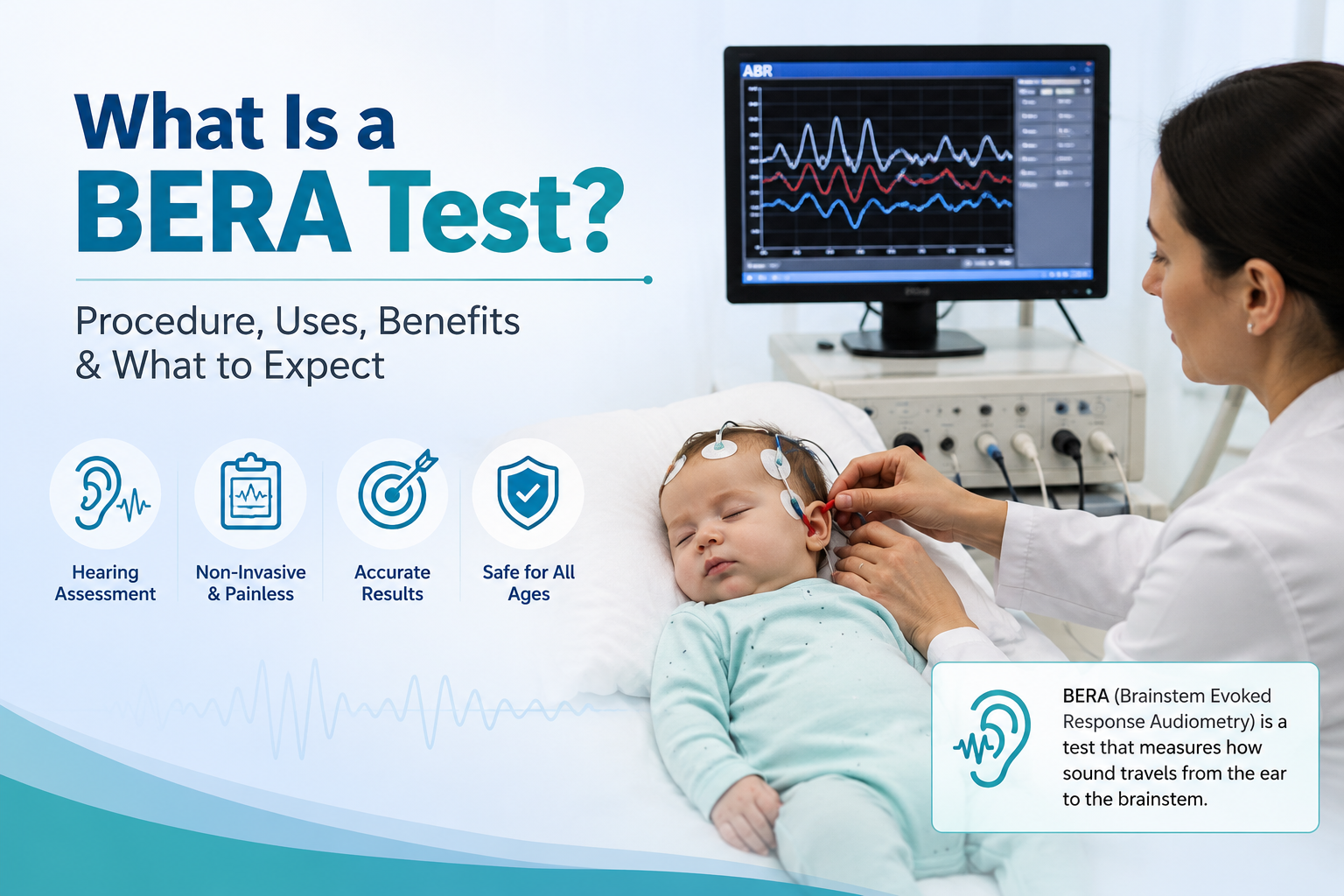
Understanding the various types of hearing tests can help you know what to expect during a comprehensive hearing assessment and how audiologists diagnose hearing loss accurately. A professional speech and hearing clinic in Bangalore can assess your hearing health and recommend appropriate solutions if needed.
What If Hearing Loss Has Already Occurred?
If hearing loss has already developed, modern treatment options can significantly improve communication and quality of life.
Depending on the severity of hearing loss, recommendations may include:
- Hearing rehabilitation
- Communication strategies
- Hearing protection counseling
- Advanced hearing devices
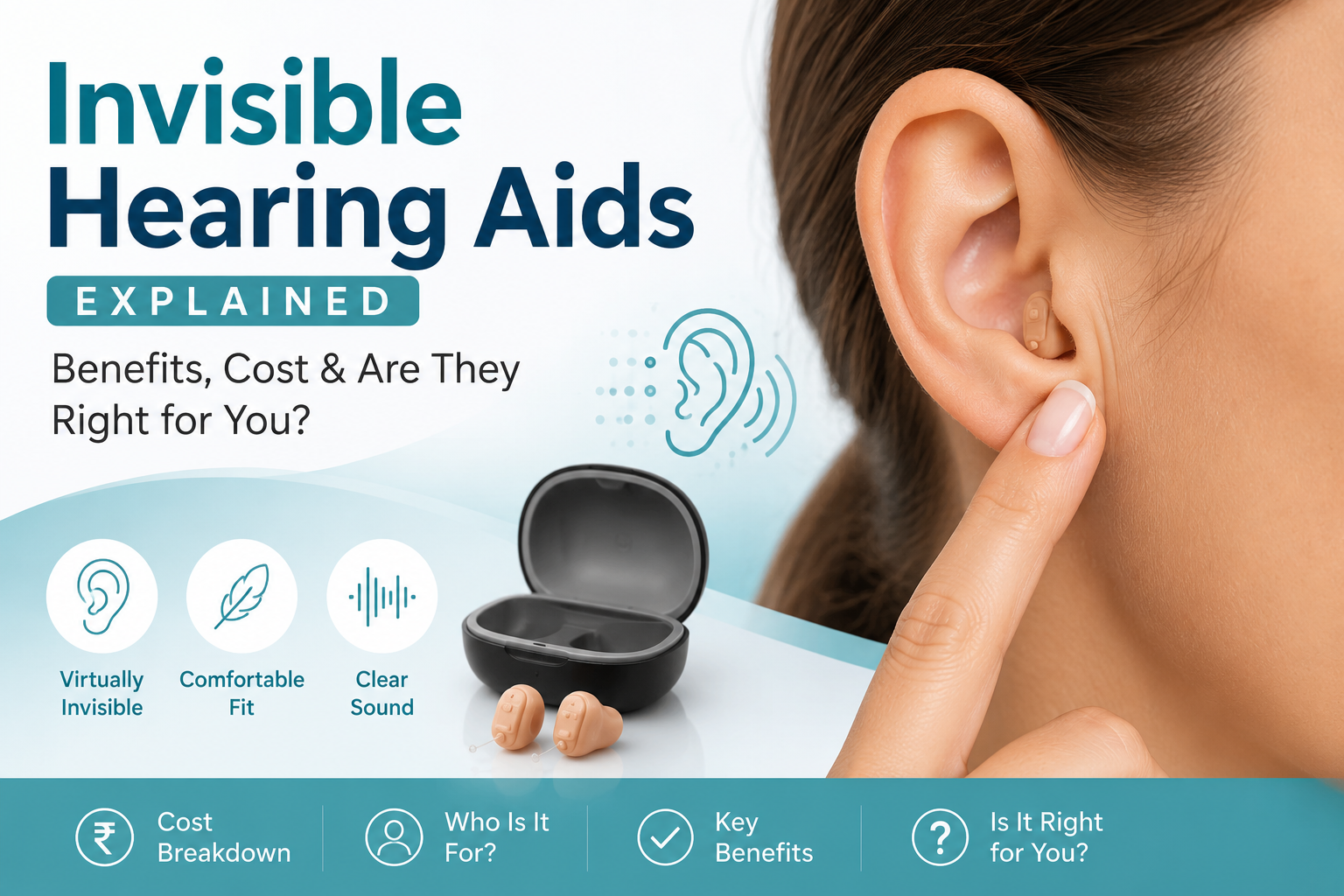
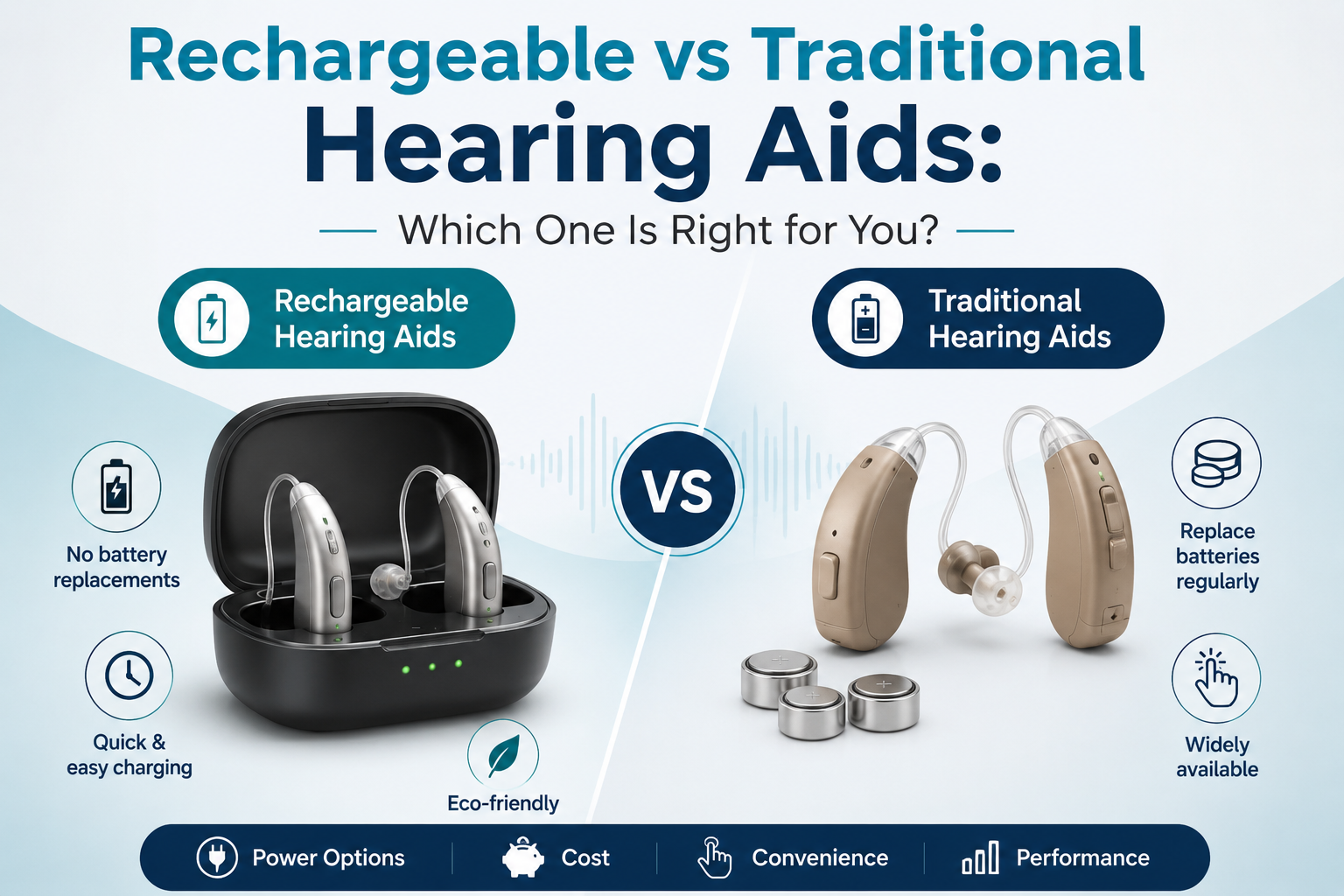
Modern digital hearing aids use advanced technology to improve speech clarity, reduce background noise, and enhance listening comfort in different environments. Individuals experiencing hearing difficulties can explore modern hearing aids in Bangalore that offer features such as noise reduction, Bluetooth connectivity, rechargeable batteries, and enhanced speech clarity.
There are also several different styles of hearing aids available, including behind-the-ear (BTE), receiver-in-canal (RIC), in-the-ear (ITE), and completely-in-canal (CIC) models, allowing users to choose a device that best suits their hearing needs and lifestyle.
Conclusion
The 60/60 rule for hearing is one of the simplest and most effective strategies for protecting your hearing health. By listening at no more than 60% volume for no longer than 60 minutes at a time, you can significantly reduce your risk of noise-induced hearing loss and preserve your hearing for the future.
Combined with safe listening habits, regular breaks, hearing protection, and routine hearing evaluations, the 60/60 rule provides a practical approach to lifelong hearing wellness.
If you’re experiencing hearing difficulties or want to assess your hearing health, scheduling a hearing test in Bangalore at a trusted speech and hearing clinic in Bangalore can help identify potential concerns early and guide you toward the best hearing care solutions.
For personalized fitting and ongoing support, visiting a trusted hearing aid center in Indiranagar can help ensure optimal hearing outcomes.
Frequently Asked Questions
Does the 60/60 Rule Prevent Hearing Loss?
The 60/60 rule significantly reduces the risk of noise-induced hearing loss by limiting sound intensity and listening duration.
Can Headphones Damage Your Hearing?
Yes. Listening at high volumes for extended periods can damage the delicate structures inside the inner ear and lead to permanent hearing loss.
How Many Hours Can I Safely Use Headphones?
There is no single answer, but following the 60/60 rule and taking regular breaks helps minimize hearing risks.
Is Noise-Induced Hearing Loss Permanent?
In many cases, yes. Damage to the sensory hair cells of the inner ear is often irreversible, making prevention extremely important.
Are Children at Risk of Hearing Loss from Headphones?
Yes. Children and teenagers who regularly use headphones at high volumes may be at increased risk of developing hearing damage over time.