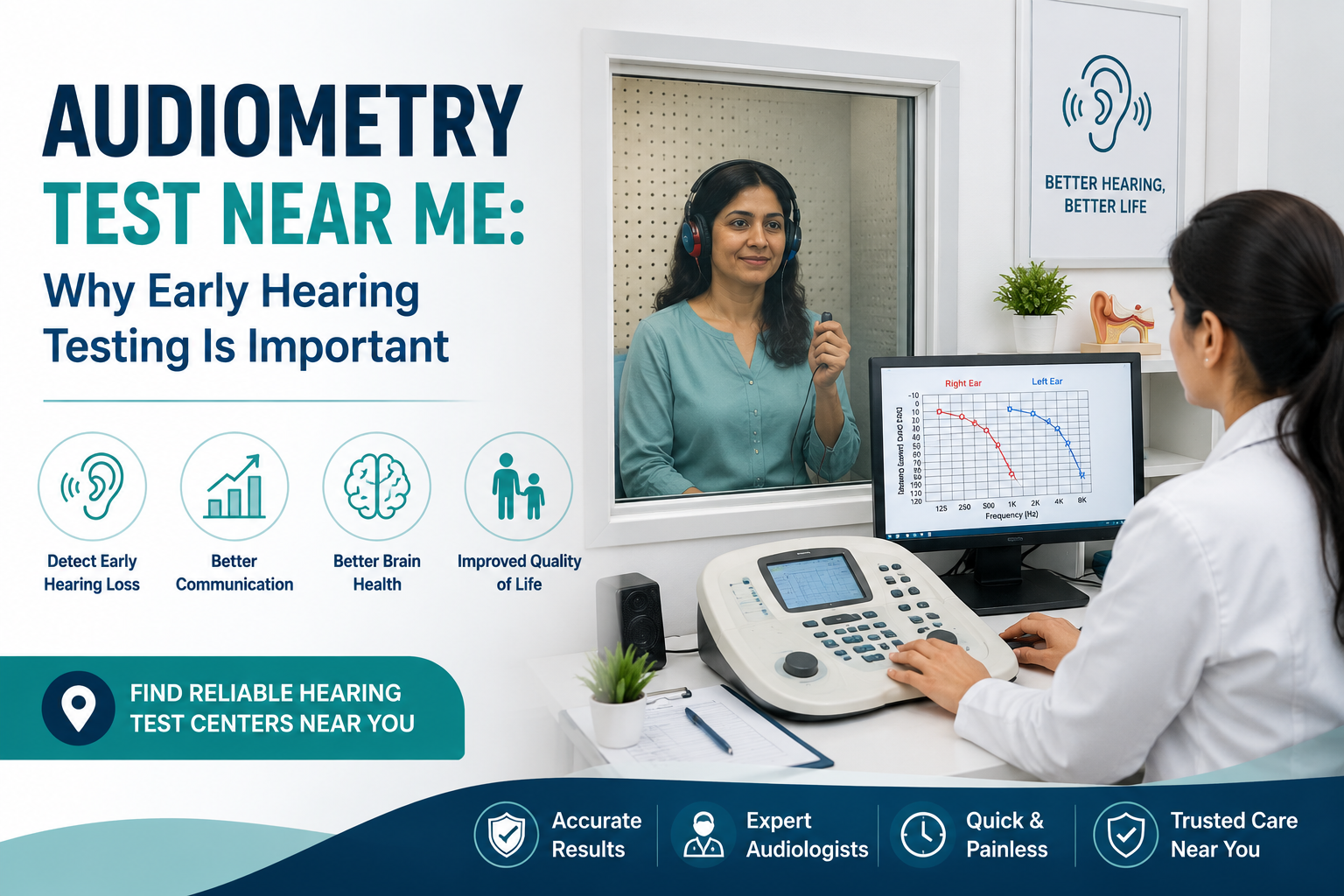
Hearing plays a vital role in communication, learning, social interactions, and overall quality of life. However, hearing loss often develops gradually, making it difficult for individuals to recognize the early signs. Many people delay seeking professional help until hearing problems begin to affect their daily activities, work performance, or relationships.
If you have ever searched for an “audiometry test near me”, you are already taking an important step toward protecting your hearing health. Early hearing testing can help identify hearing issues before they become severe, allowing timely intervention and better treatment outcomes.
In this guide, we’ll explain what an audiometry test is, why early hearing testing matters, who should undergo hearing evaluations, and how regular hearing assessments can help preserve your hearing for years to come.
What Is an Audiometry Test?
An audiometry test is a non-invasive hearing assessment used to evaluate a person’s ability to hear sounds at different frequencies and volumes. It helps audiologists identify the type and severity of hearing loss and determine the most appropriate treatment options.
One of the most commonly performed hearing assessments is Pure Tone Audiometry (PTA), which measures hearing sensitivity across various sound frequencies.
An audiometry test can help diagnose:
- Sensorineural hearing loss
- Conductive hearing loss
- Mixed hearing loss
- Noise-induced hearing loss
- Age-related hearing loss (Presbycusis)
- Hearing problems associated with ear infections
- Sudden hearing loss
If you’re experiencing difficulty hearing conversations, asking people to repeat themselves frequently, or struggling to hear in noisy environments, scheduling a professional hearing test in Bangalore can help identify the underlying issue early.
Why Early Hearing Testing Is Important
Many people assume hearing loss only affects older adults. However, hearing problems can occur at any age due to genetics, infections, excessive noise exposure, medications, injuries, or underlying medical conditions.
Early Detection Leads to Better Outcomes
The earlier hearing loss is detected, the more effective treatment and rehabilitation can be. Untreated hearing loss may worsen over time and impact communication, social engagement, and mental well-being.
Improved Communication Skills
Hearing loss can make conversations frustrating and exhausting. Early intervention helps individuals maintain clear communication with family, friends, and colleagues.
Better Cognitive Health
Research suggests that untreated hearing loss may be associated with cognitive decline and increased mental fatigue. Regular hearing evaluations help identify hearing issues before they significantly affect brain function.
Enhanced Quality of Life
Timely hearing care improves confidence, social participation, workplace performance, and overall quality of life.
Signs You May Need an Audiometry Test
Many individuals ignore the early warning signs of hearing loss. You should consider booking an audiometry test if you experience:
- Difficulty understanding conversations
- Frequently asking others to repeat themselves
- Increasing TV or mobile phone volume
- Trouble hearing in noisy environments
- Ringing or buzzing sounds in the ears (tinnitus)
- Feeling that others are mumbling
- Difficulty hearing children’s voices
- Dizziness or balance issues
In some cases, hearing loss may also be accompanied by balance disorders and vertigo. If you experience dizziness along with hearing difficulties, you may benefit from reading our guide on Inner Ear Problems That Cause Vertigo, which explains how inner ear conditions can affect both hearing and balance.
Who Should Get a Hearing Test?
Adults Over 50
Age-related hearing loss is common among older adults. Regular hearing evaluations can help detect changes early and support timely treatment.
Individuals Exposed to Loud Noise
People working in construction, manufacturing, aviation, music, or industrial environments are at higher risk of noise-induced hearing loss.
People Experiencing Tinnitus
Persistent ringing, buzzing, or humming sounds in the ears often warrant a comprehensive hearing assessment.
Individuals with a Family History of Hearing Loss
Genetics can play a role in hearing health, making regular hearing evaluations important for those with a family history of hearing problems.
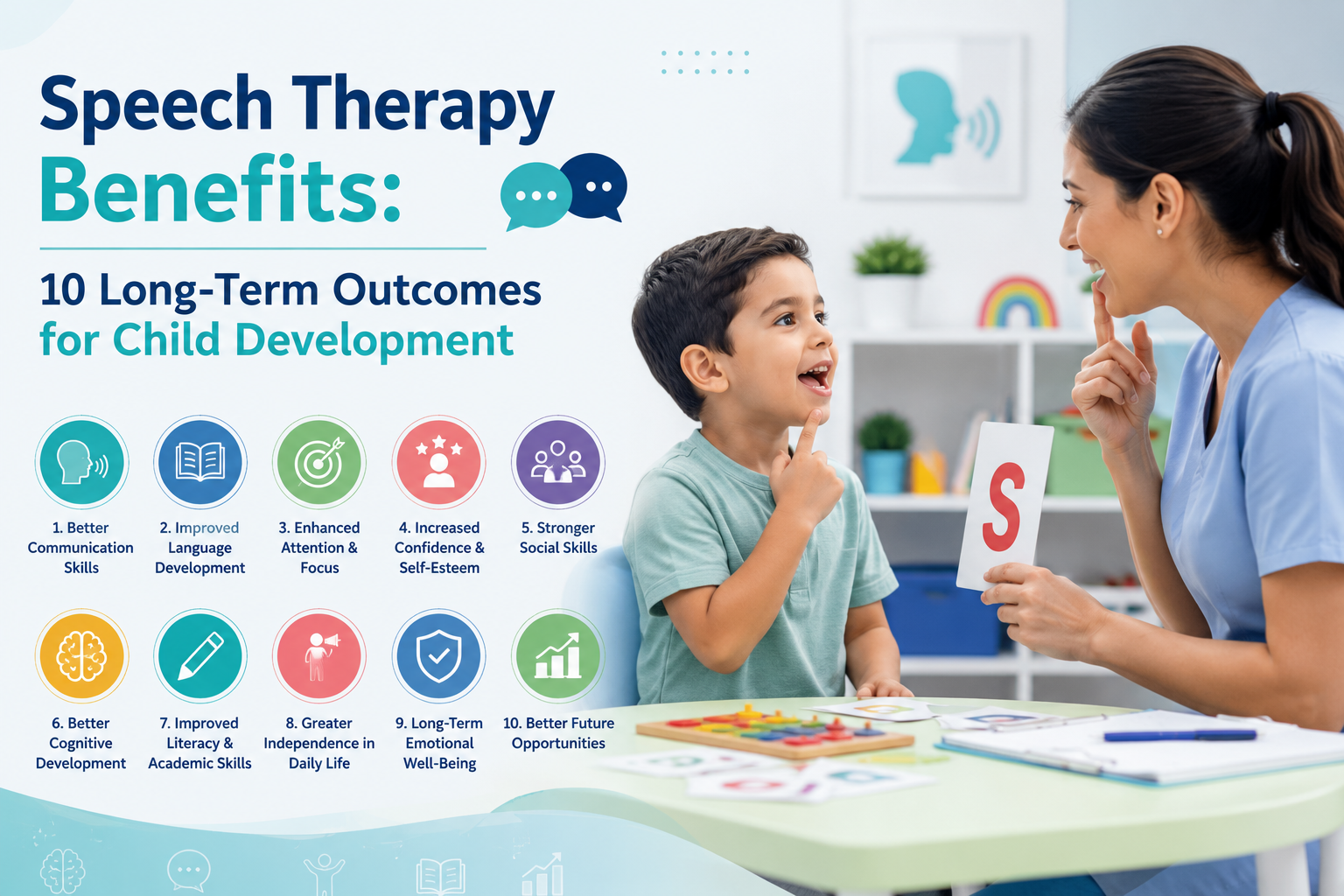
Children with Speech and Language Delays
Hearing issues can contribute to speech and language difficulties. Early hearing assessments help identify problems that may affect communication development.
For parents concerned about communication development, our article on speech delay in children provides useful insights into early intervention.
What Happens During an Audiometry Test?
Many people avoid hearing tests because they are unsure what to expect. Fortunately, an audiometry test is simple, painless, and typically completed within a short period.
Step 1: Medical and Hearing History
The audiologist will discuss:
- Current symptoms
- Medical history
- Noise exposure history
- Family history of hearing loss
Step 2: Otoscopic Examination
The ears are examined to check for wax buildup, infection, or structural abnormalities.
Step 3: Pure Tone Audiometry
You will wear headphones and respond to sounds played at different frequencies and volumes.
Step 4: Speech Audiometry
This assessment evaluates how well you hear and understand spoken words.
Step 5: Additional Tests (If Required)
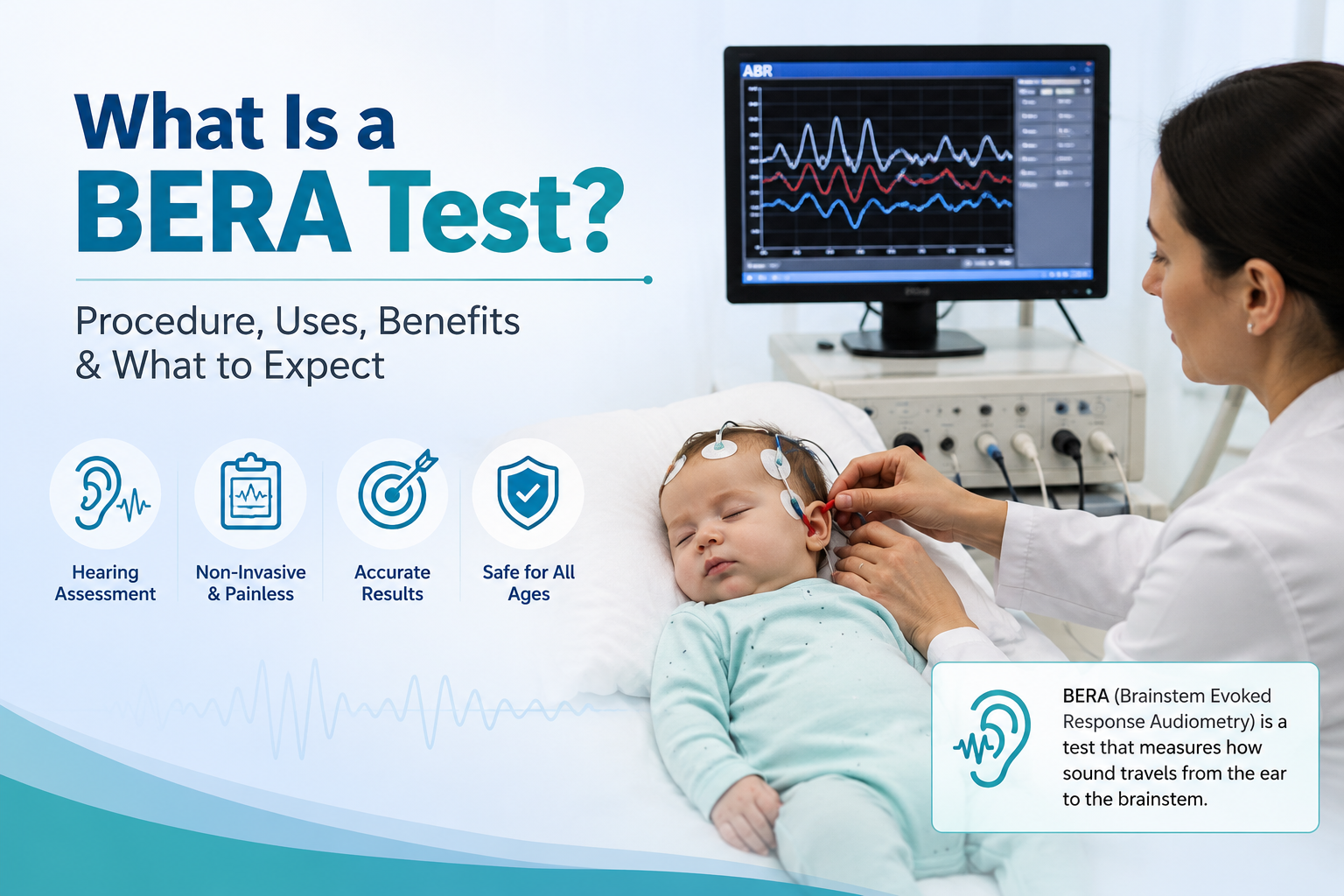
Depending on the findings, additional assessments such as tympanometry, OAE, or vestibular evaluations may be recommended.
The results help the audiologist determine the type and degree of hearing loss and recommend the most suitable treatment plan.
Why Should You Consult an Audiologist for a Hearing Test?
While online hearing screening tools may provide a basic indication of hearing difficulties, they cannot replace a comprehensive evaluation performed by a qualified audiologist. An audiologist is a healthcare professional trained to diagnose hearing and balance disorders, interpret hearing test results, and recommend appropriate treatment options. Advanced audiology services, including diagnostic hearing evaluations, hearing aid assessments, tinnitus management, and vestibular testing, help ensure accurate diagnosis and personalized care.
If you are searching for an expert Audiologist in Bangalore, consulting a qualified specialist can help identify the exact cause of hearing difficulties and determine the most effective treatment plan. Whether you are experiencing hearing loss, tinnitus, dizziness, or communication challenges, professional audiological assessment is the first step toward better hearing health.
Benefits of Regular Hearing Assessments
Regular hearing tests provide several important benefits:
Early Diagnosis
Detecting hearing loss early allows timely intervention and reduces the risk of further deterioration.
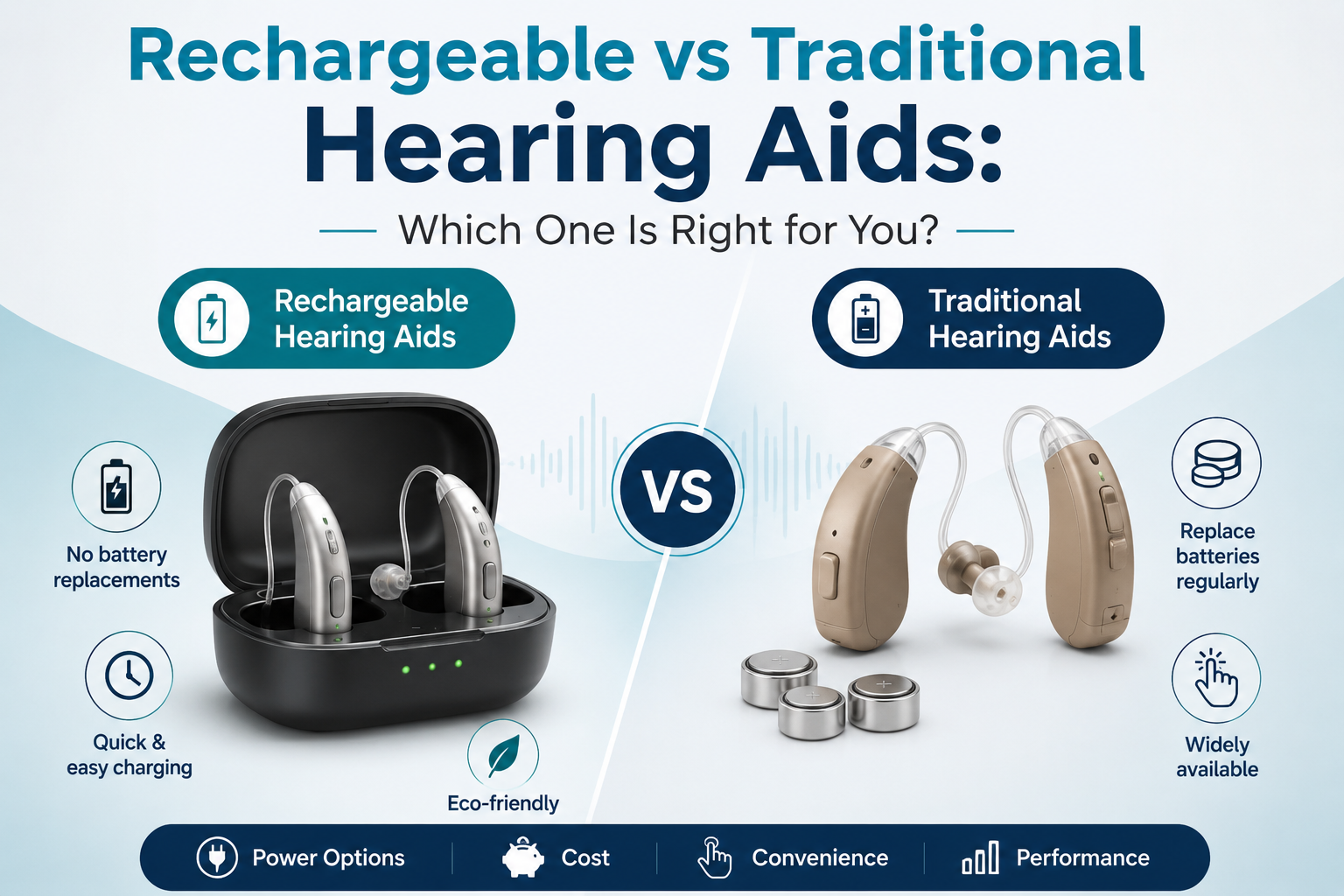
Better Hearing Aid Outcomes
Individuals who address hearing loss early often adapt more successfully to hearing aids.
If hearing aids are recommended, our detailed guide on Cost of Hearing Aid Devices in Bangalore can help you understand pricing, features, and available options.
Monitoring Hearing Changes
Routine hearing evaluations help track hearing health over time and identify any progressive changes.
Improved Social and Emotional Well-Being
Addressing hearing difficulties can reduce communication frustrations and improve relationships.
Support for Overall Health
Because hearing and balance systems are closely connected, regular hearing assessments can also help identify related vestibular conditions.
Hearing Loss and Its Impact on Daily Life
Many people underestimate the effects of untreated hearing loss.
Hearing difficulties can lead to:
- Social isolation
- Reduced workplace productivity
- Increased listening effort
- Relationship challenges
- Communication breakdowns
- Reduced confidence
Seeking professional hearing care early can significantly improve daily functioning and long-term well-being.
For individuals already using hearing aids, proper maintenance is essential. Our blog on Hearing Aid Maintenance Tips offers practical advice for extending the lifespan of your hearing devices and ensuring optimal performance.
The Connection Between Hearing and Speech
Hearing and speech development are closely linked. Difficulty hearing sounds accurately can affect speech understanding, communication, and language development.
Adults with hearing loss may experience communication challenges that affect workplace performance and social interactions.
For those experiencing communication difficulties, our guide on Speech Therapy for Adults in Bangalore explains how speech therapy can support communication improvement alongside hearing rehabilitation.
Where Can You Get an Audiometry Test in Bangalore?
When searching for an audiometry test near me, it is important to choose a clinic with experienced audiologists, modern diagnostic equipment, and comprehensive hearing care services.
A quality hearing clinic should offer:
- Pure Tone Audiometry (PTA)
- Speech Audiometry
- Tympanometry
- OAE Testing
- Hearing Aid Consultation
- Vestibular and Balance Assessments
- Hearing Rehabilitation Services
At Shabdha Speech & Hearing Clinic, patients receive personalized hearing evaluations, evidence-based recommendations, and ongoing hearing care support tailored to their needs.
How Often Should You Have Your Hearing Tested?
General recommendations include:
Adults Aged 18–50
Every 3–5 years, or sooner if symptoms develop.
Adults Over 50
Every 1–2 years.
Individuals Exposed to Loud Noise
Annual hearing evaluations are recommended.
Hearing Aid Users
Regular follow-up appointments and hearing assessments help ensure optimal device performance.
Conclusion
Searching for an “audiometry test near me” is often the first step toward protecting your hearing health. Hearing loss can develop gradually, making early detection essential for maintaining communication, cognitive health, and quality of life.
Regular audiometry testing helps identify hearing issues before they significantly impact daily activities and provides the opportunity for timely intervention, rehabilitation, and hearing aid support when needed.
If you are experiencing hearing difficulties, tinnitus, balance concerns, or communication challenges, scheduling a professional hearing assessment with shabdha speech and hearing clinic in Bangalore can help you understand your hearing health and take proactive steps toward better hearing.
Frequently Asked Questions
What is an audiometry test?
An audiometry test is a hearing assessment that measures your ability to hear sounds at different frequencies and volumes.
Why is early hearing testing important?
Early testing helps detect hearing loss before it becomes severe, allowing timely treatment and better long-term outcomes.
Is an audiometry test painful?
No. Audiometry testing is completely non-invasive and painless.
How long does a hearing test take?
Most hearing assessments take approximately 20 to 45 minutes, depending on the tests required.
Can hearing loss be treated?
Treatment depends on the cause and severity of hearing loss and may include hearing aids, medical intervention, rehabilitation, or communication therapy.
How often should I have my hearing checked?
Adults should consider routine hearing evaluations every few years, while older adults and individuals at higher risk may benefit from more frequent testing.