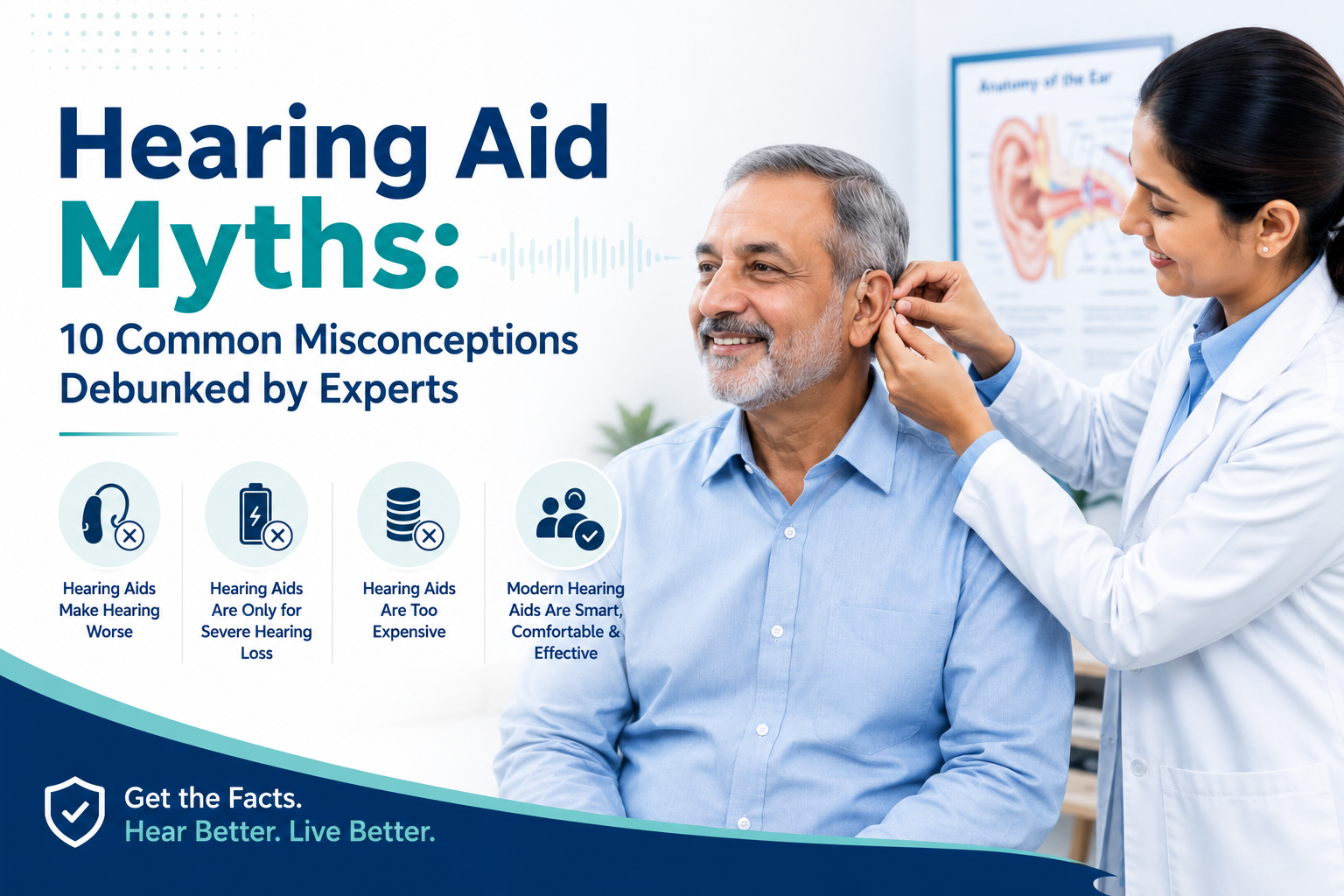
Hearing aids have transformed the lives of millions of people by improving communication, confidence, and overall quality of life. Yet, despite significant advancements in hearing technology, many people hesitate to seek treatment because of outdated beliefs and misinformation.
Some assume hearing aids are only for older adults, while others believe they are bulky, uncomfortable, or ineffective. These misconceptions often delay treatment, allowing hearing loss to worsen over time.
In this article, we’ll debunk the most common hearing aid myths, explain the facts behind modern hearing technology, and help you make informed decisions about your hearing health.
Why Do Hearing Aid Myths Persist?
Many misconceptions about hearing aids come from outdated technology, personal anecdotes, or misinformation. Modern hearing aids are far more advanced than they were even a decade ago, offering features such as noise reduction, Bluetooth connectivity, rechargeable batteries, AI-powered sound processing, and discreet designs.
Understanding the facts can help people seek timely treatment and enjoy better hearing.
Myth 1: Hearing Aids Are Only for Older Adults
Fact
Although age-related hearing loss is common, hearing loss can affect people of all ages.
Younger adults may experience hearing loss due to:
- Noise exposure
- Ear infections
- Genetic conditions
- Head injuries
- Certain medications
Anyone diagnosed with hearing loss may benefit from hearing aids, regardless of age.
If you’re experiencing hearing difficulties, scheduling a hearing test in Bangalore is the first step toward identifying the most appropriate treatment.
Myth 2: Hearing Aids Restore Hearing to Normal
Fact
Hearing aids do not cure hearing loss or restore natural hearing. Instead, they amplify sounds, improve speech clarity, and help the brain process sounds more effectively.
Modern hearing aids significantly improve communication, especially when professionally programmed to match an individual’s hearing needs.
Myth 3: Hearing Aids Are Large and Easily Noticeable
Fact
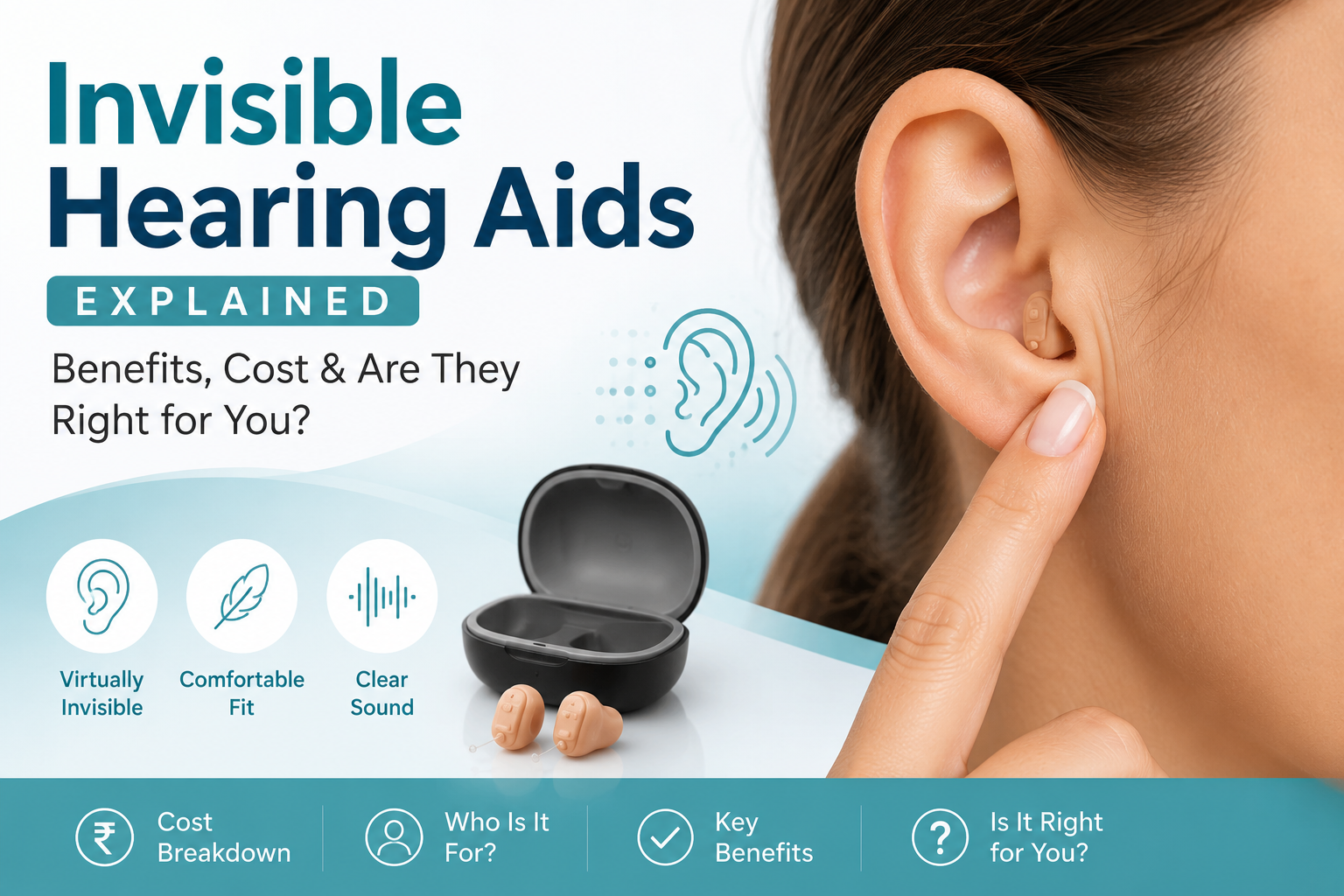
Today’s hearing aids are smaller, lighter, and more discreet than ever before.
Many models fit comfortably behind or inside the ear and are barely noticeable during everyday conversations.
There are several different styles of hearing aids, including Behind-the-Ear (BTE), Receiver-in-Canal (RIC), In-the-Ear (ITE), and Completely-in-Canal (CIC) devices to suit different levels of hearing loss and lifestyle preferences.
Myth 4: Hearing Aids Make Hearing Worse
Fact
This is one of the most common hearing aid misconceptions.
Properly fitted hearing aids do not damage your hearing. Instead, they help stimulate the auditory system and reduce the strain caused by untreated hearing loss.
Delaying treatment, however, may make it more difficult for the brain to process sounds over time.
Myth 5: I Only Need One Hearing Aid
Fact
If hearing loss affects both ears, wearing hearing aids in both ears often provides better results.
Benefits of two hearing aids include:
- Improved speech understanding
- Better sound localization
- Enhanced balance
- Reduced listening effort
- More natural hearing
Your audiologist will recommend the best solution based on your hearing evaluation.
Myth 6: Hearing Aids Are Uncomfortable
Fact
Modern hearing aids are designed for comfort and long-term daily wear.
After a brief adjustment period, most users hardly notice they are wearing them.
Professional fitting and regular adjustments ensure maximum comfort and performance.
Myth 7: Hearing Aids Don’t Work in Noisy Places
Fact
Older hearing aids often struggled with background noise.
Today’s digital hearing aids use advanced technologies such as:
- Noise reduction
- Directional microphones
- Speech enhancement
- Automatic environment detection
- AI-powered sound processing
These features help users hear conversations more clearly in restaurants, meetings, and crowded environments.
Myth 8: Hearing Aids Are Difficult to Use
Fact
Modern hearing aids are designed with user-friendly features.
Many devices offer:
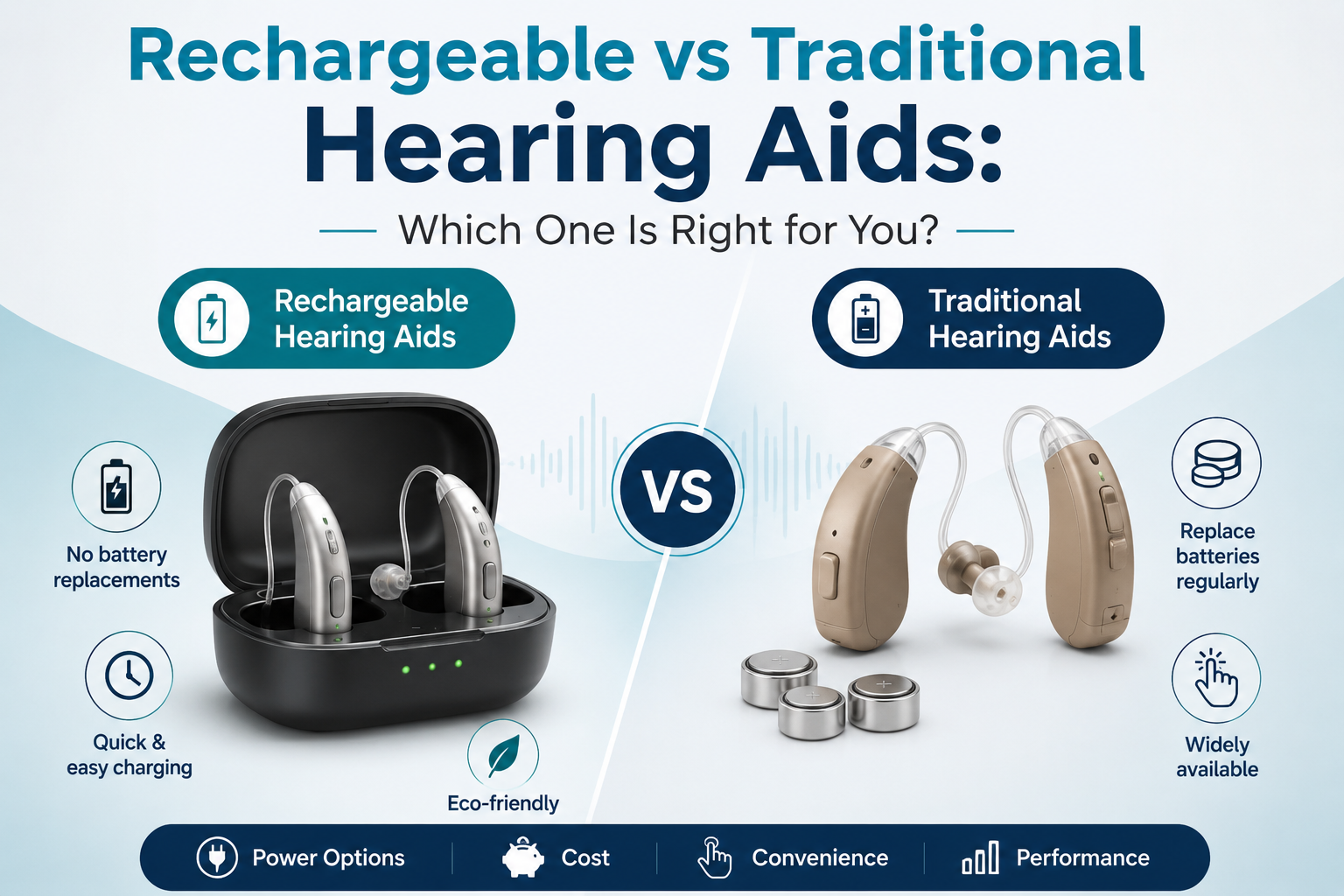
- Rechargeable batteries
- Smartphone apps
- Bluetooth connectivity
- Automatic volume adjustment
- One-touch controls
Most users become comfortable operating their hearing aids within a short period.
Myth 9: I Can Wait Until My Hearing Gets Worse
Fact
Delaying treatment is one of the biggest mistakes people make.
Untreated hearing loss has been associated with:
- Communication difficulties
- Social isolation
- Reduced workplace performance
- Listening fatigue
- Cognitive decline
Early diagnosis and treatment often produce better long-term outcomes.
If you’ve noticed changes in your hearing, learn about the signs you need a hearing test and schedule an evaluation as soon as possible.
Myth 10: All Hearing Aids Are the Same
Fact
No two hearing aids are exactly alike.
They differ in:
- Technology level
- Features
- Size
- Battery type
- Connectivity
- Sound processing
- Lifestyle compatibility
A qualified audiologist helps determine which hearing aid best matches your hearing loss, communication needs, and budget.
Explore the latest hearing aids in Bangalore to understand the options available for different hearing needs.
How Do You Know If You Need Hearing Aids?
You may benefit from hearing aids if you:
- Frequently ask people to repeat themselves
- Increase the TV or phone volume often
- Struggle to hear conversations in noisy environments
- Experience ringing in the ears (tinnitus)
- Avoid social gatherings because of hearing difficulties
- Feel tired after conversations
A comprehensive hearing evaluation helps determine whether hearing aids are appropriate for you.
Why a Professional Hearing Test Matters (Updated)
Before recommending hearing aids, an audiologist performs a detailed hearing assessment to identify the type and severity of hearing loss.
A comprehensive evaluation may include:
- Pure tone audiometry
- Speech recognition testing
- Tympanometry
- Ear examination
If you’re looking for more information, read our guide on audiometry test near me to understand why early hearing evaluation is important. You can also learn about the different types of hearing tests and what each assessment measures during a comprehensive hearing evaluation.
Benefits of Modern Hearing Aids
Today’s hearing aids offer far more than simple sound amplification.
Benefits include:
- Better speech clarity
- Reduced background noise
- Bluetooth connectivity
- Rechargeable batteries
- Better social confidence
- Improved quality of life
- Reduced listening fatigue
When choosing a hearing aid, it’s important to consider your hearing needs, lifestyle, and budget. Our guide on the cost of hearing aid devices in Bangalore explains the factors that influence pricing and helps you make an informed decision.
Why Choose Shabdha Speech & Hearing?
At Shabdha Speech & Hearing clinic in Bangalore, we provide comprehensive hearing evaluations, personalized hearing aid fittings, and ongoing hearing care using advanced diagnostic technology.
Our experienced audiologists help patients choose the most suitable hearing aids based on their hearing loss, lifestyle, communication needs, and budget, ensuring long-term comfort and improved hearing outcomes.
Conclusion
Many misconceptions about hearing aids prevent people from seeking the treatment they need. The reality is that modern hearing aids are discreet, comfortable, technologically advanced, and highly effective at improving communication and quality of life.
Along with timely hearing evaluations, adopting healthy listening habits is equally important. Following the 60/60 rule for hearing can help protect your ears from noise-induced hearing loss and support long-term hearing health.
If you’re experiencing hearing difficulties, don’t let common myths delay your care. A professional hearing evaluation can help identify your hearing needs and determine the most suitable solution, allowing you to stay connected, confident, and engaged in everyday life.
Frequently Asked Questions
Are Hearing Aids Only for Seniors?
No. Hearing loss can affect children, adults, and seniors. Hearing aids are recommended based on hearing needs, not age.
Do Hearing Aids Cure Hearing Loss?
No. They improve hearing by amplifying sounds but do not reverse permanent hearing loss.
How Long Do Hearing Aids Last?
Most hearing aids last between 3 and 7 years with proper care and maintenance.
Are Hearing Aids Worth It?
Yes. Modern hearing aids can significantly improve communication, confidence, and overall quality of life.
Should I Wear Hearing Aids Every Day?
Yes. Consistent daily use helps your brain adapt to amplified sounds and provides the best hearing experience.