
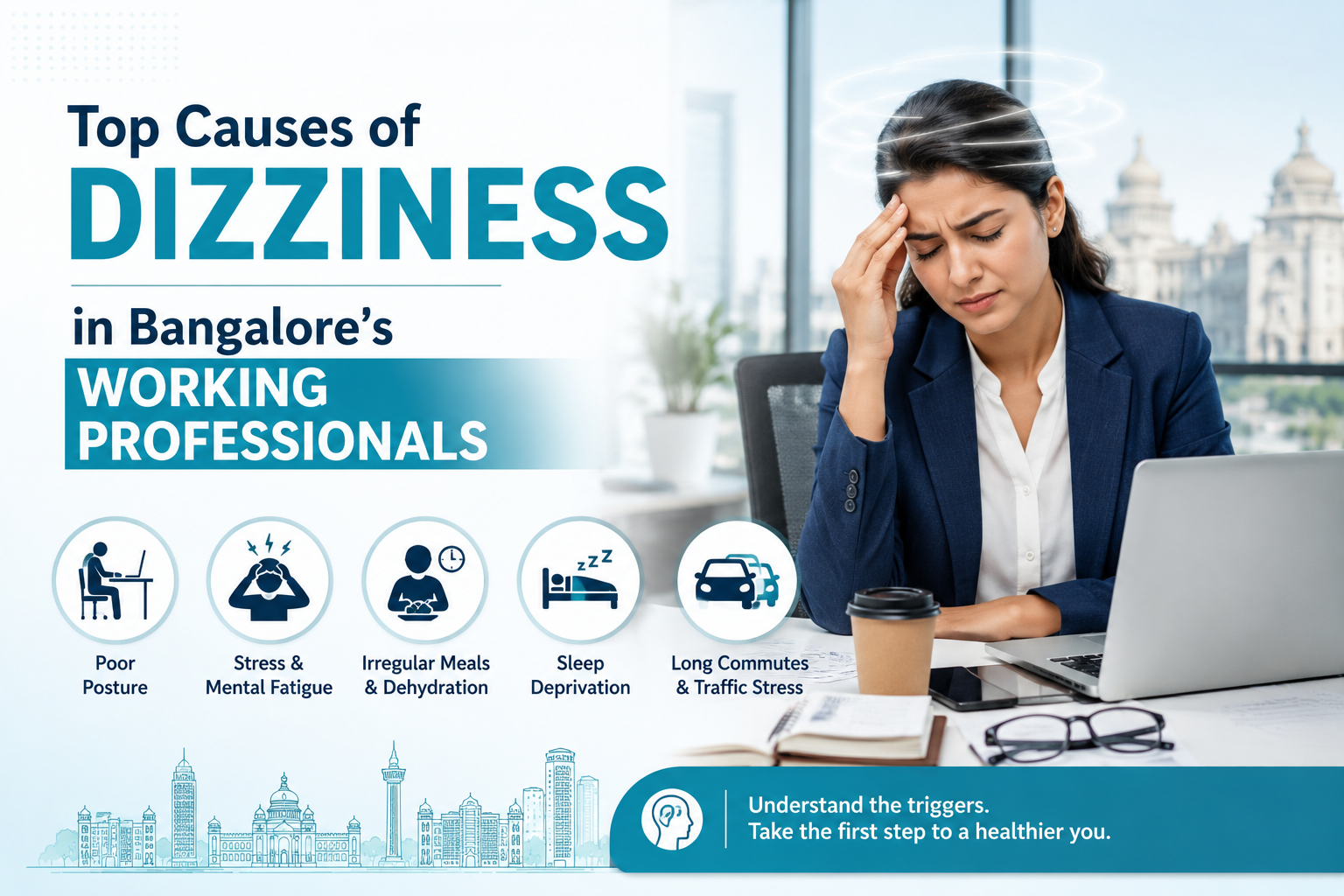
Dizziness is becoming increasingly common among working professionals in Bangalore, especially those with long working hours, sedentary lifestyles, and high stress levels. Whether it’s a sudden spinning sensation, lightheadedness, or imbalance, dizziness can affect productivity, focus, and overall quality of life.
If you often feel dizzy during or after work, it’s important to understand the underlying causes and know when to seek professional help. For accurate diagnosis and care, visiting a trusted vertigo clinic in Bangalore can help identify the root cause early. You can also learn more about how vertigo is diagnosed to better understand the evaluation process.
What is Dizziness?
Dizziness is a broad term used to describe sensations such as:
- Feeling lightheaded or faint
- A spinning sensation (vertigo)
- Loss of balance or unsteadiness
- Feeling disoriented or weak
It is not a condition by itself but a symptom of various underlying health issues.
Why is Dizziness Common in Working Professionals?
In a fast-paced city like Bangalore, many professionals experience dizziness due to:
- Long hours of sitting
- High stress and deadlines
- Excessive screen time
- Irregular sleep patterns
- Poor posture
- Skipping meals or dehydration
These lifestyle factors directly affect the body’s balance system, brain function, and blood circulation.
Top Causes of Dizziness in Bangalore’s Working Professionals
1. Stress and Anxiety
One of the most common causes of dizziness is chronic stress. Mental stress can affect blood flow and breathing patterns, leading to symptoms like:
- Lightheadedness
- Head pressure
- Feeling faint
High-pressure jobs and work deadlines in Bangalore contribute significantly to stress-related dizziness.
2. Prolonged Screen Time
Spending long hours in front of computers can strain the eyes and brain.
Effects include:
- Visual fatigue
- Headaches
- Dizziness or imbalance
This is especially common among IT professionals and remote workers.
3. Poor Posture and Cervical Issues
Sitting for extended hours with improper posture can lead to neck strain and cervical spine problems.
This may cause:
- Cervicogenic dizziness
- Neck pain with dizziness
- Reduced blood flow to the brain
Improper workstation setup is a major contributing factor.
4. Inner Ear Problems (Vestibular Disorders)
The inner ear plays a crucial role in maintaining balance. Disorders affecting this system can lead to vertigo and dizziness.
Common conditions include:
- Benign Paroxysmal Positional Vertigo (BPPV)
- Vestibular neuritis
- Labyrinthitis
If you experience spinning sensations, it is advisable to consult a specialist at a dizziness clinic in Bangalore for proper evaluation.
5. Dehydration and Irregular Eating Habits
Skipping meals or not drinking enough water can lead to:
- Low blood sugar levels
- Weakness
- Sudden dizziness
Busy work schedules often cause professionals to neglect proper hydration and nutrition.
6. Lack of Sleep
Sleep deprivation affects brain function and body coordination.
Symptoms include:
- Fatigue
- Reduced concentration
- Dizziness or unsteadiness
Working late nights or irregular sleep cycles are common in corporate jobs.
7. Low Blood Pressure (Hypotension)
A sudden drop in blood pressure can cause:
- Lightheadedness
- Blurred vision
- Fainting sensation
This can happen when standing up quickly or due to dehydration.
8. Vestibular Migraine
Some individuals experience dizziness along with migraines.
Symptoms include:
- Headache
- Sensitivity to light
- Motion sickness
- Spinning sensation
This is often triggered by stress, lack of sleep, or screen exposure.
Symptoms You Should Not Ignore
While occasional dizziness may not be serious, you should seek medical attention if you experience:
- Frequent dizziness episodes
- Sudden spinning sensation (vertigo)
- Loss of balance or falls
- Ringing in the ears
- Hearing loss
If dizziness is associated with hearing issues, getting a hearing test in Bangalore can help identify underlying ear-related problems.
When Should You See a Specialist?
If dizziness persists or interferes with your daily activities, consult a specialist for proper evaluation.
A professional assessment may include:
- Clinical history analysis
- Balance and vestibular tests
- Hearing evaluation
- Neurological screening
You can consult an expert audiologist in Bangalore for a comprehensive diagnosis.
How to Prevent Dizziness in Daily Work Life
✔ Maintain Proper Posture
Use ergonomic chairs and keep your screen at eye level.
✔ Take Regular Breaks
Follow the 20-20-20 rule to reduce screen strain.
✔ Stay Hydrated
Drink enough water throughout the day.
✔ Manage Stress
Practice relaxation techniques such as deep breathing or meditation.
✔ Get Adequate Sleep
Maintain a consistent sleep schedule.
✔ Eat Balanced Meals
Avoid skipping meals and include nutritious foods.
Quick Relief Tips for Dizziness
If you feel dizzy during work, try these immediate steps:
- Sit or lie down immediately
- Focus on a fixed point
- Drink water
- Avoid sudden movements
You can explore more quick relief tips for vertigo to manage symptoms effectively.
Treatment Options for Dizziness
Treatment depends on the underlying cause. It may include:
- Vestibular rehabilitation therapy
- Balance exercises
- Lifestyle modifications
- Medical management (if required)
- Postural correction techniques
For long-term improvement, guided vertigo exercises at home can help improve balance and reduce symptoms.
For personalized care, visiting a specialized speech and hearing clinic in Bangalore ensures accurate diagnosis and effective treatment.
Frequently Asked Questions
1. What is the most common cause of dizziness in working professionals?
Stress, prolonged screen time, and poor posture are the most common causes.
2. Can office work cause dizziness?
Yes, long sitting hours, screen exposure, and stress can lead to dizziness.
3. Is dizziness a serious problem?
Occasional dizziness may not be serious, but frequent episodes require medical evaluation.
4. How can I stop feeling dizzy at work?
Take breaks, stay hydrated, maintain posture, and manage stress levels.
5. When should I see a doctor for dizziness?
Consult a doctor if dizziness is frequent, severe, or associated with other symptoms like hearing loss or imbalance.