Hearing loss is one of the most common health concerns affecting adults worldwide. While it often develops gradually with age, hearing loss can also result from noise exposure, infections, medical conditions, or injuries. Unfortunately, many people ignore the early signs, assuming that hearing difficulties are a normal part of aging.
Untreated hearing loss can affect communication, relationships, work performance, and overall quality of life. The good news is that early diagnosis and appropriate treatment can significantly improve hearing ability and daily functioning. If you are experiencing symptoms of hearing loss, scheduling a hearing test in Bangalore is the first step toward understanding your hearing health.
In this guide, we’ll explore the causes of hearing loss in adults, common symptoms, available treatment options, and practical steps you can take to protect your hearing health.
What Is Hearing Loss?
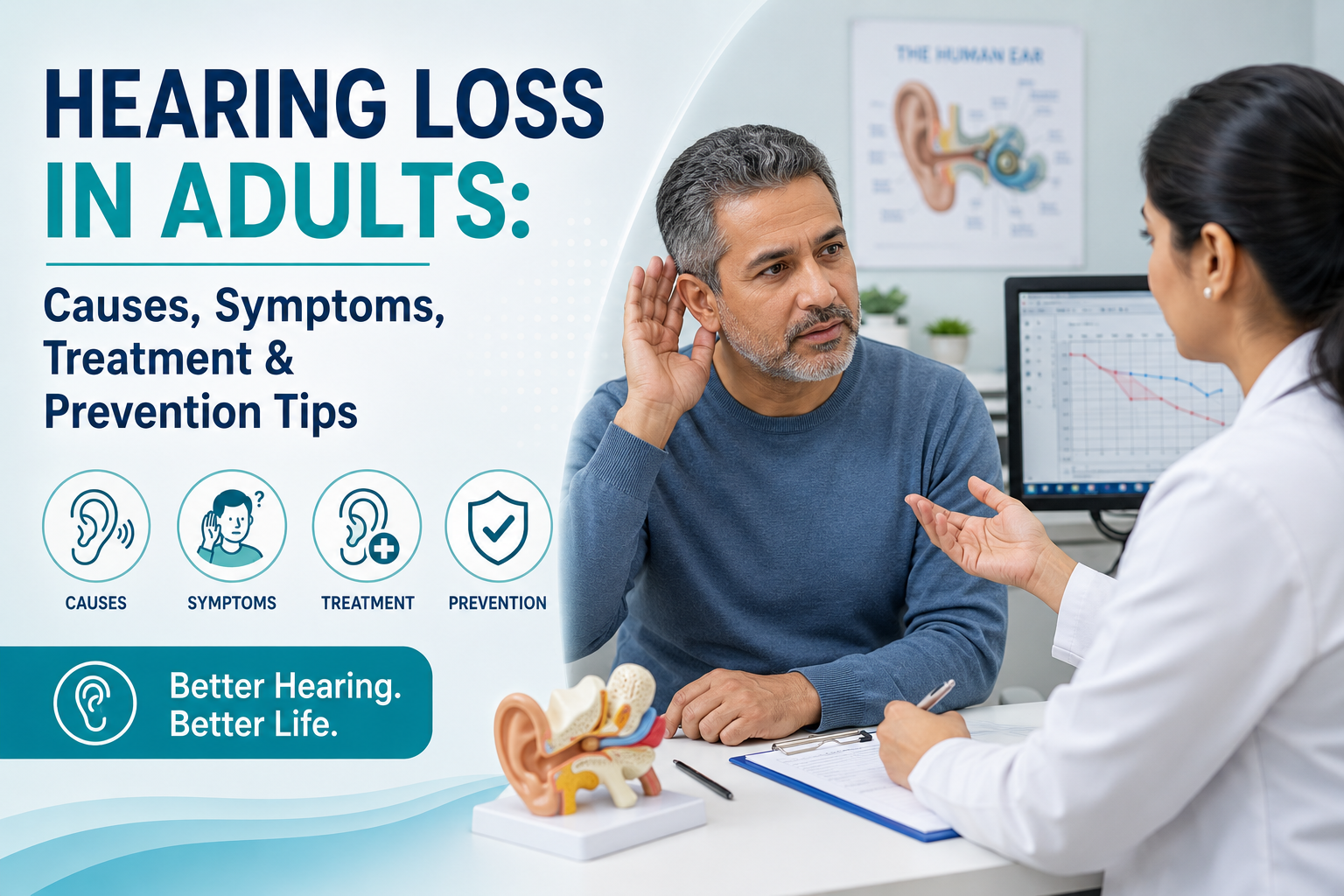
Hearing loss occurs when a person is unable to hear sounds as clearly as someone with normal hearing. It may affect one ear or both ears and can range from mild to profound.
Hearing loss can make it difficult to:
- Follow conversations
- Hear phone calls clearly
- Understand speech in noisy environments
- Listen to television at normal volume
- Participate confidently in social situations
Adults with hearing loss often find themselves asking others to repeat what they said or increasing the volume of electronic devices.
What Causes Hearing Loss in Adults?
Several factors can contribute to hearing loss. Understanding the cause is essential for determining the most effective treatment.
1. Age-Related Hearing Loss (Presbycusis)
One of the most common causes of hearing loss in adults is age-related hearing loss, known as presbycusis.
As we age, the delicate structures inside the inner ear gradually deteriorate, making it harder to hear high-frequency sounds and understand speech.
Common signs include:
- Difficulty hearing conversations
- Trouble understanding speech in crowded places
- Frequently asking people to repeat themselves
- Needing higher TV or phone volume
2. Noise-Induced Hearing Loss
Exposure to loud sounds over time can damage the sensory hair cells inside the inner ear.
Common sources include:
- Industrial machinery
- Construction equipment
- Loud music
- Headphones at high volume
- Fireworks
- Traffic noise
Following the 60/60 Rule for Hearing—listening at no more than 60% volume for no longer than 60 minutes at a time—can help reduce the risk of noise-induced hearing loss.
3. Ear Infections
Middle ear infections can cause temporary hearing difficulties. If left untreated, recurrent infections may lead to long-term hearing problems.
Symptoms may include:
- Ear pain
- Fluid discharge
- Ear pressure
- Reduced hearing ability
4. Earwax Blockage
Excessive earwax can block the ear canal and prevent sound from reaching the eardrum effectively.
Fortunately, hearing usually returns to normal once the blockage is safely removed.
5. Medical Conditions
Certain health conditions may contribute to hearing impairment, including:
- Diabetes
- Hypertension
- Autoimmune disorders
- Thyroid disease
- Cardiovascular disease
Managing these conditions can help reduce the risk of hearing complications.
6. Sudden Hearing Loss
Sudden sensorineural hearing loss is considered a medical emergency.
Symptoms may include:
- Rapid hearing loss in one ear
- Ear fullness
- Ringing in the ear (tinnitus)
- Dizziness or vertigo
Immediate medical attention improves the chances of recovery.
Types of Hearing Loss
Understanding the type of hearing loss helps determine the most appropriate treatment.
Conductive Hearing Loss
Conductive hearing loss occurs when sound cannot travel efficiently through the outer or middle ear.
Common causes include:
- Earwax blockage
- Ear infections
- Fluid in the middle ear
- Eardrum damage
This type of hearing loss is often medically treatable.
Sensorineural Hearing Loss
Sensorineural hearing loss occurs due to damage to the inner ear or auditory nerve.
Common causes include:
- Aging
- Noise exposure
- Genetic factors
- Certain medications
This is the most common type of permanent hearing loss in adults.
Mixed Hearing Loss
Mixed hearing loss combines both conductive and sensorineural hearing loss.
Treatment typically involves addressing both components of the condition.
Early Signs of Hearing Loss
Many adults do not recognize hearing loss until it begins affecting their daily lives.
Common warning signs include:
- Frequently asking others to repeat themselves
- Difficulty hearing conversations in restaurants
- Turning up television volume
- Misunderstanding words
- Avoiding social gatherings
- Ringing in the ears (tinnitus)
- Difficulty hearing on phone calls
If you experience any of these symptoms, a professional hearing evaluation is recommended.
How Is Hearing Loss Diagnosed?
Accurate diagnosis is essential for determining the cause and severity of hearing loss.
An audiologist may recommend a comprehensive hearing assessment that includes several diagnostic tests. A professional hearing test in Bangalore can help determine the type and severity of hearing loss and guide appropriate treatment recommendations.
Physical Ear Examination
The ear canal and eardrum are examined for signs of blockage, infection, or structural abnormalities.
Audiometry Test
An audiometry test measures hearing ability across different frequencies and sound levels.
The test helps identify:
- Degree of hearing loss
- Type of hearing loss
- Affected frequencies
- Speech understanding ability
Speech Recognition Testing
This evaluates how well an individual understands spoken words in quiet and noisy environments.
Tympanometry
Tympanometry assesses middle ear function and can identify fluid buildup or eardrum problems.
Hearing Loss Treatment Options
Treatment depends on the underlying cause and severity of hearing loss.
Medical Treatment
Conditions such as ear infections, inflammation, or excessive earwax can often be treated medically.
Treatment may include:
- Medications
- Earwax removal
- Minor procedures
- Infection management
Hearing Aids
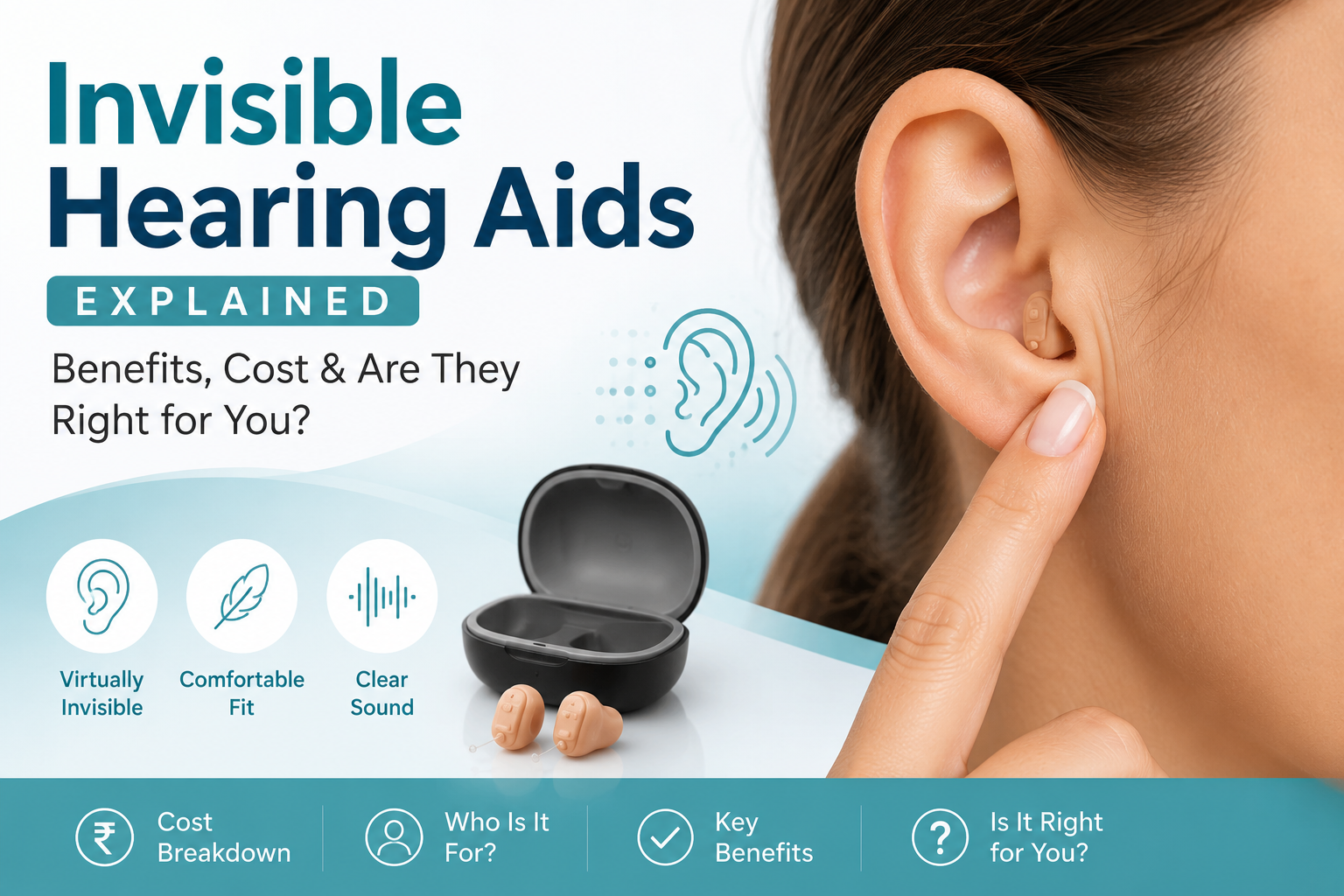
Hearing aids are among the most effective solutions for adults with hearing loss. Modern digital hearing aids offer advanced features that improve speech clarity and listening comfort in various environments.
Individuals looking for personalized solutions can explore a range of hearing aids in Bangalore designed to meet different hearing needs and lifestyles.
Modern hearing aids provide:
- Advanced noise reduction
- Bluetooth connectivity
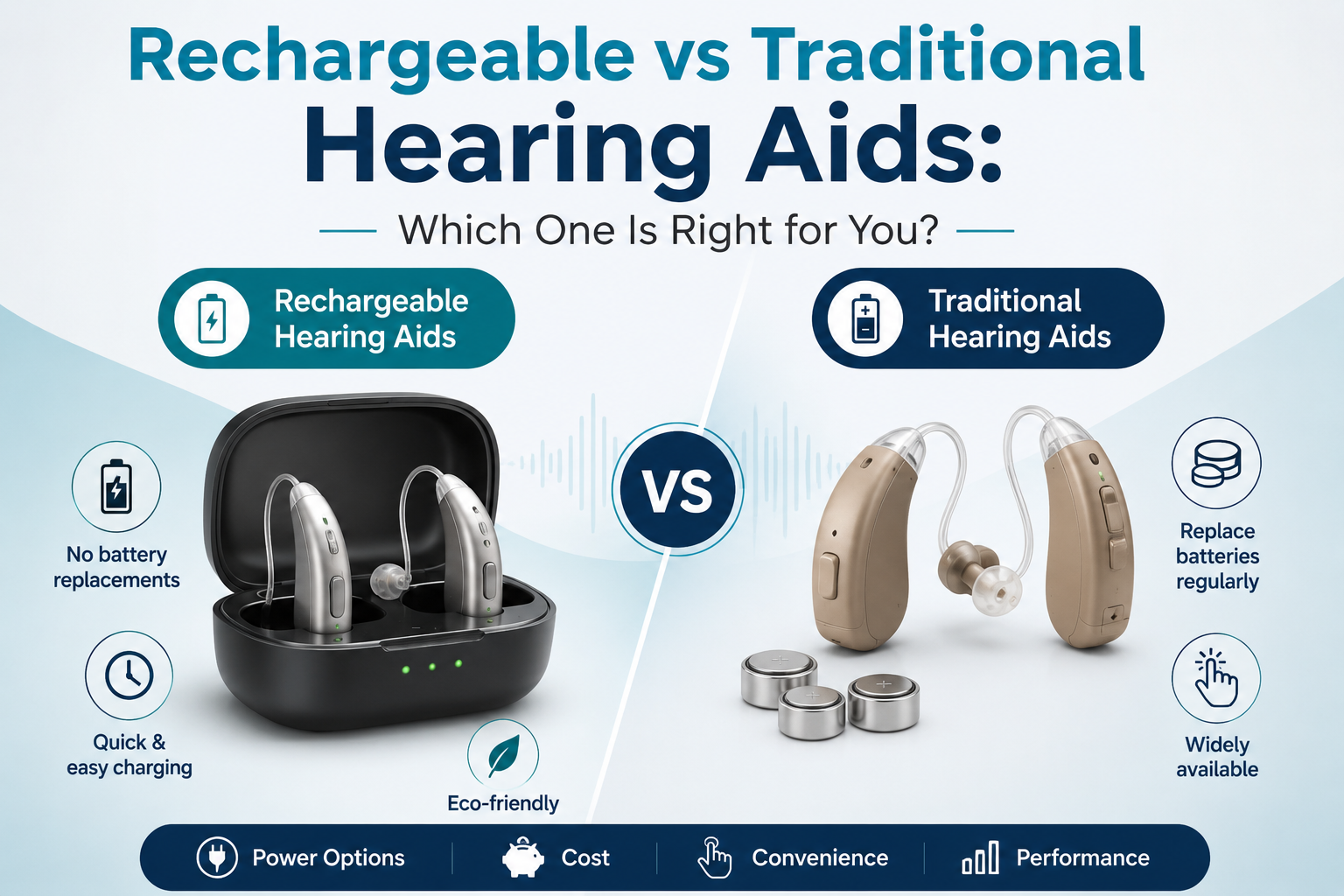
- Rechargeable batteries
- Smartphone integration
- Improved speech clarity
Today’s hearing aids are smaller, more comfortable, and more effective than ever before.
Assistive Listening Devices
Additional technologies can help improve communication in specific situations.
Examples include:
- Amplified telephones
- TV listening systems
- Remote microphones
- Alerting devices
Cochlear Implants
Individuals with severe or profound hearing loss who receive limited benefit from hearing aids may be candidates for cochlear implants.
These devices bypass damaged portions of the inner ear and directly stimulate the auditory nerve.
Can Hearing Loss Be Prevented?
While not all forms of hearing loss can be prevented, many cases can be avoided through proactive hearing care.
Protect Your Ears from Loud Noise
Use hearing protection when exposed to loud environments such as:
- Construction sites
- Concerts
- Sporting events
- Factories
Follow Safe Listening Habits
Practice safe headphone use by following the 60/60 Rule.
Schedule Regular Hearing Tests
Routine hearing evaluations help identify problems before they become severe.
Manage Chronic Health Conditions
Controlling diabetes, hypertension, and cardiovascular disease supports long-term hearing health.
Avoid Inserting Objects into the Ear
Cotton swabs and sharp objects can damage the ear canal and eardrum.
When Should You See an Audiologist?
Consult a hearing specialist if you experience:
- Persistent hearing difficulties
- Sudden hearing loss
- Ringing in the ears
- Difficulty understanding conversations
- Frequent requests for repetition
- Balance or dizziness problems
Seeking care from a trusted speech and hearing clinic in Bangalore ensures access to comprehensive hearing evaluations, hearing aid services, and long-term hearing care under one roof.
Frequently Asked Questions
Can Hearing Loss Be Reversed?
Some forms of hearing loss, such as those caused by earwax blockage or infections, may be reversible. However, age-related and sensorineural hearing loss are generally permanent but can often be managed successfully with hearing aids or other interventions.
What Are the First Signs of Hearing Loss?
Common early signs include difficulty understanding speech, especially in noisy environments, frequently asking people to repeat themselves, and increasing the volume of televisions or mobile devices.
Are Hearing Aids Effective?
Yes. Modern digital hearing aids significantly improve communication, speech understanding, and overall quality of life for many adults with hearing loss. Choosing the right device from a trusted hearing aid center in Indiranagar can help ensure proper fitting, programming, and long-term support.
How Often Should Adults Get a Hearing Test?
Adults over the age of 50 should consider regular hearing evaluations, especially if they notice changes in hearing ability or have a history of noise exposure.
Conclusion
Hearing loss in adults is a common but often overlooked condition that can affect communication, confidence, and overall well-being. Understanding the causes, recognizing the symptoms, and seeking timely treatment can make a significant difference in maintaining hearing health.
Whether hearing loss is caused by aging, noise exposure, medical conditions, or other factors, early diagnosis and professional intervention provide the best opportunity for effective management. Modern hearing solutions, including advanced hearing aids in Bangalore, allow individuals to stay connected, engaged, and confident in their daily lives.
If you notice signs of hearing loss, don’t wait. Visit a trusted speech and hearing clinic in Bangalore and schedule a comprehensive hearing evaluation to protect your hearing health and improve your quality of life.